Having flown down to South Africa for a week, it made sense to make the most of it and do something else in that part of the world. I’d previously volunteered at Imire in 2019 with my son and daughter-in-law and was impressed with their volunteer programme and general ethos, so signed up for another week there. Imire is essentially dedicated to the conservation and welfare of wildlife, with a specific focus on the protection and breeding of the critically endangered Black and White Rhino, and to date it has successfully released 11 black rhinos into the wild. The following two paragraphs are taken from their website and explain more about Imire.
“Imire is dedicated to protecting wildlife and strongly believe that rural communities and conservation programmes can successfully thrive side by side, working together to ensure the protection of our natural heritage. Our vision at Imire is to enhance the relationships between tourism, conservation programmes and community areas through long-term, sustainable environmental management and positive community projects.
Imire creates awareness internationally of the wildlife and poaching crisis which threatens Zimbabwe and Africa, and the obstacles faced by local communities and conservation organisations. The biggest threats to the animals protected at Imire and regionally are poaching and human overpopulation. Poaching is driven by demand for ivory and rhino horn in foreign countries, and fueled by poverty and lack of education on the ground. ”
Of course I took a lot of photos during my week there, but here are just a few of them.
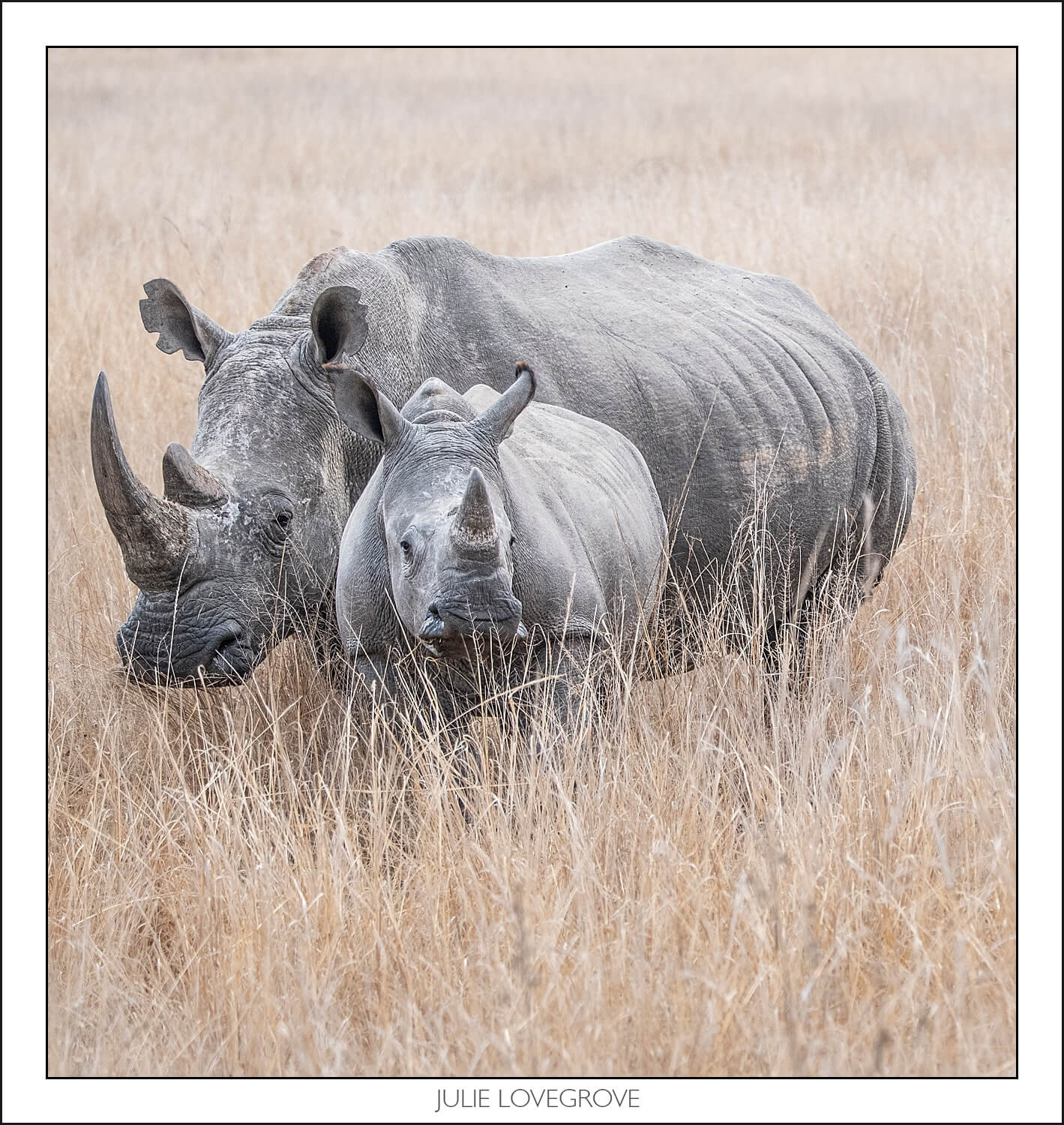
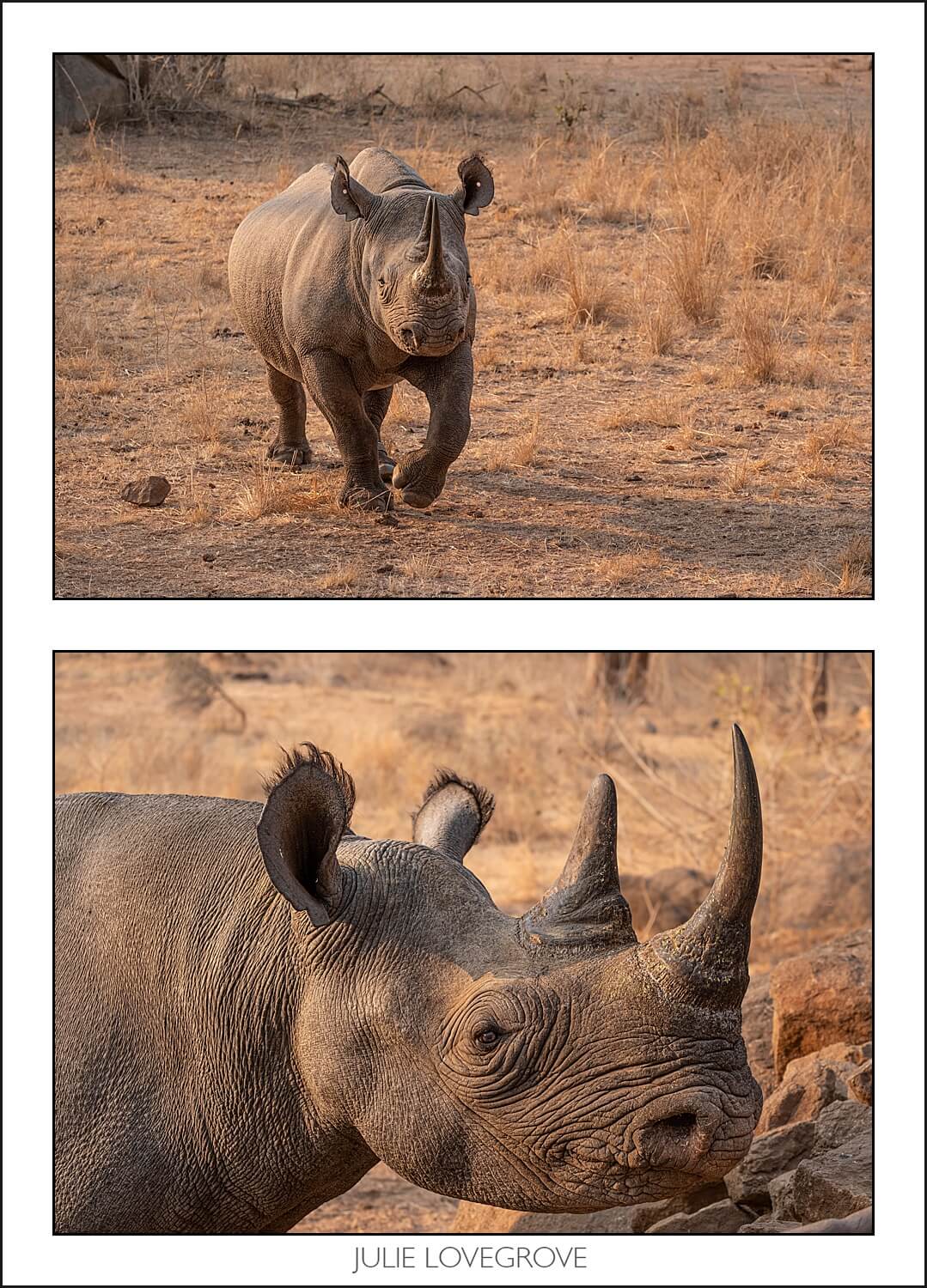
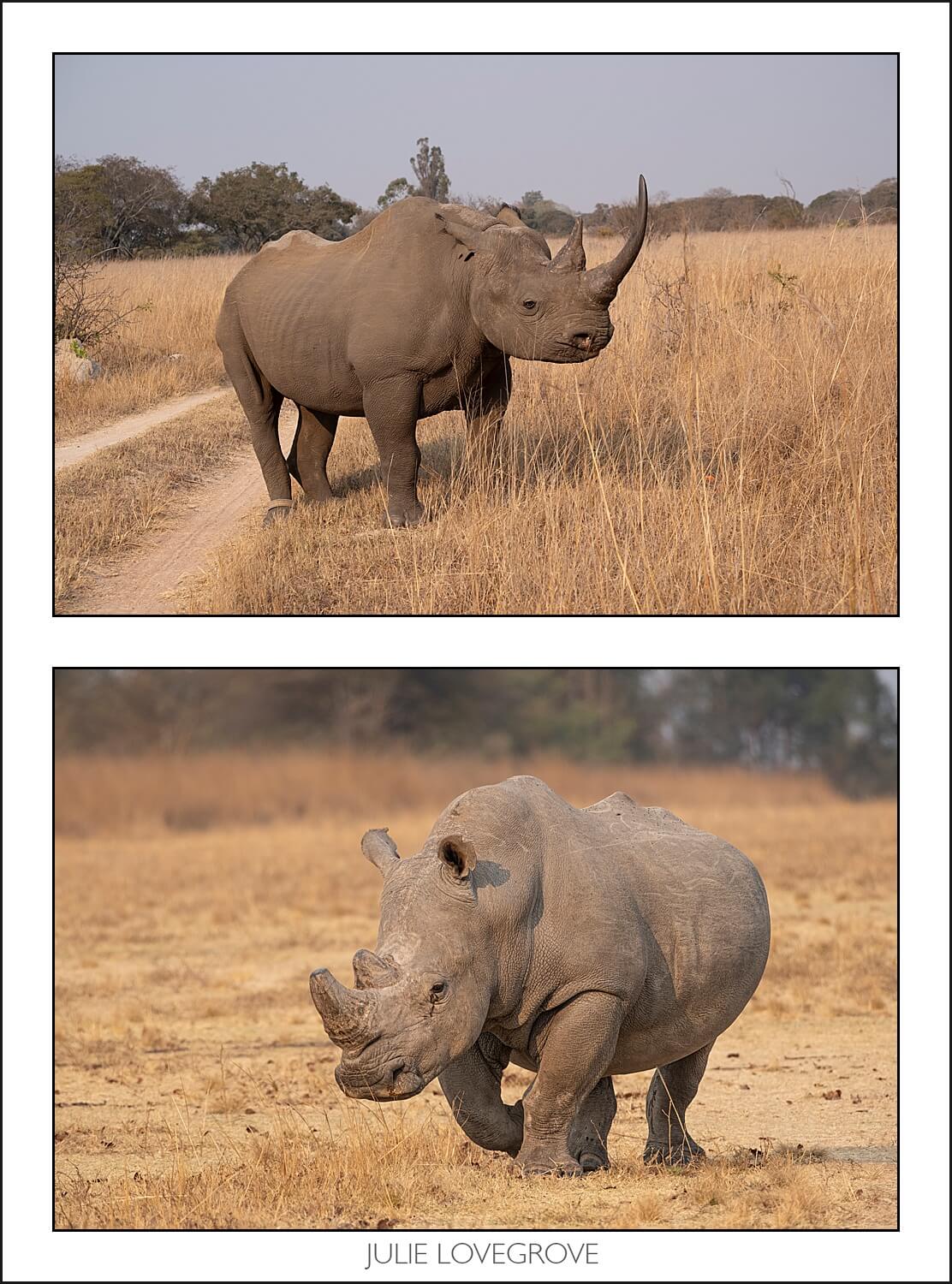
It’s unusual to see rhinos with a horn, as they are often ‘de-horned’ in an attempt to make them less of a target for poachers. Unfortunately this has been proven not to work, as poachers will kill a rhino even for the smallest stump. Rhino horn is worth between $1,000 – $5,000 per kilo to the ‘man on the ground’ poacher, but final retail prices in Asian destination markets can soar up to an incredible $100,000 per kilogram or more. For something that is exactly the same as our fingernails 🙄😡
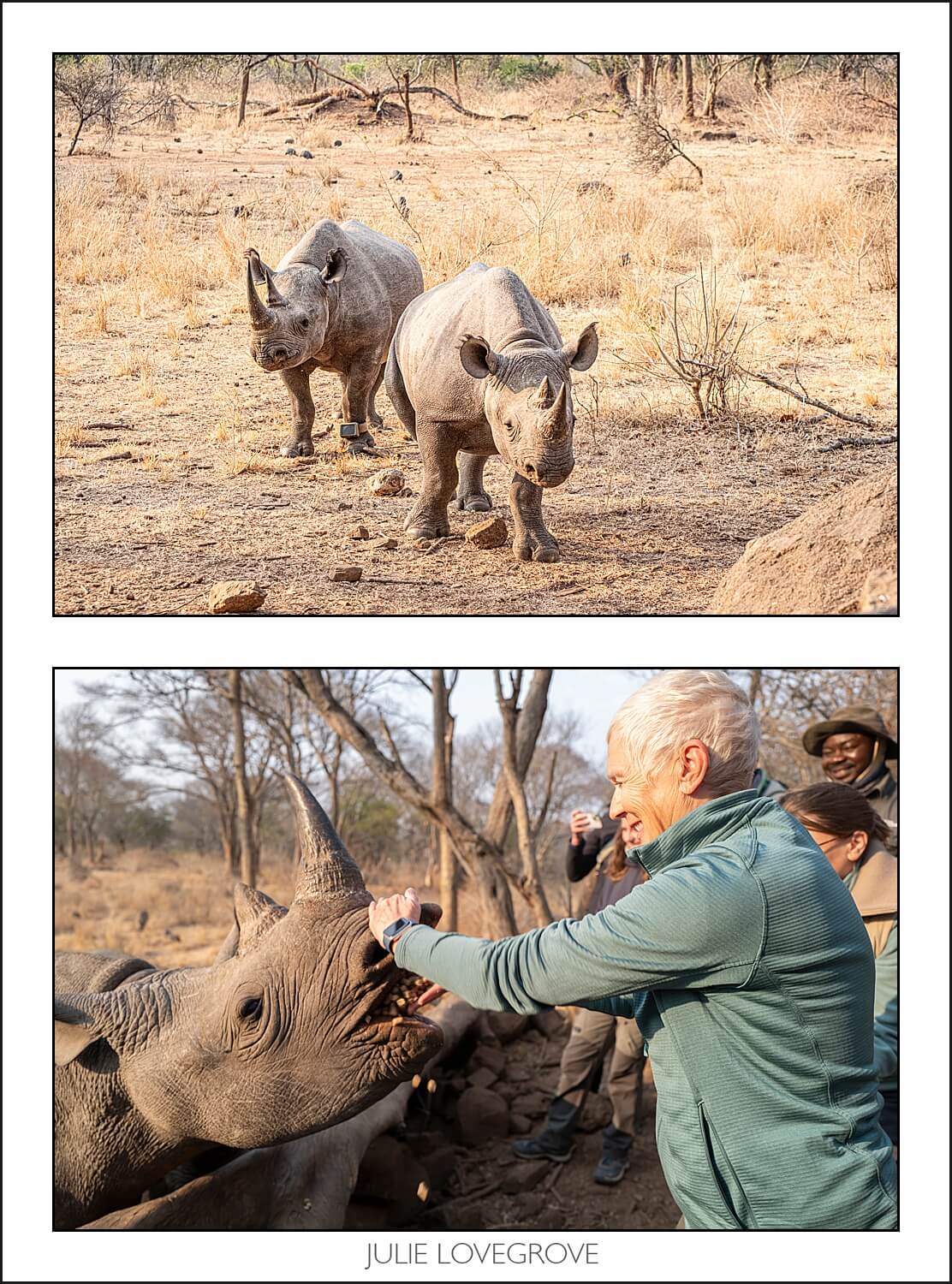
At Imire the rhinos are given supplementary food, and we were able to take part in feeding them. (Behind the safety of a wall) In the first photo below you can see the ankle ‘bracelet’. This allows the rangers to track them.
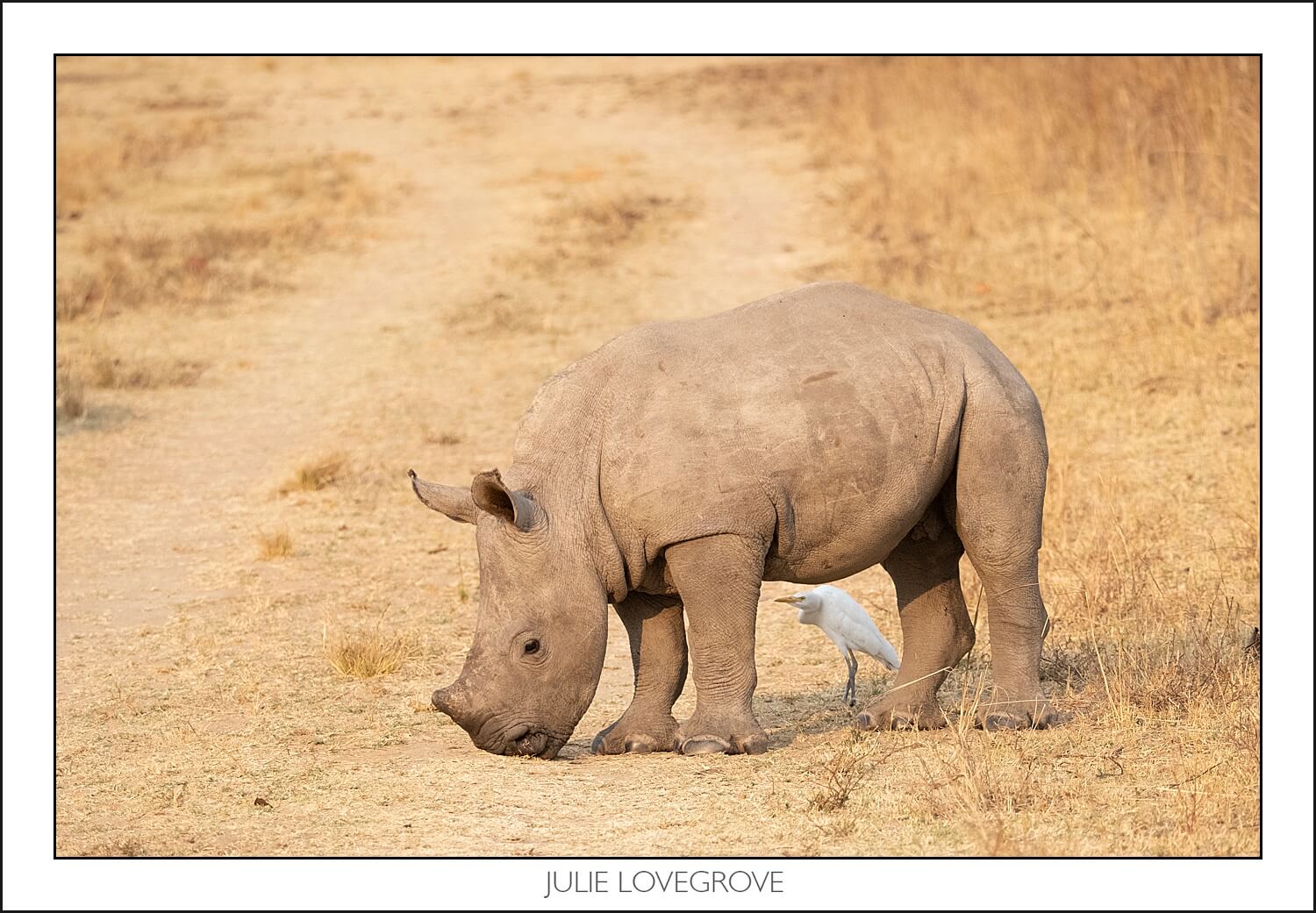
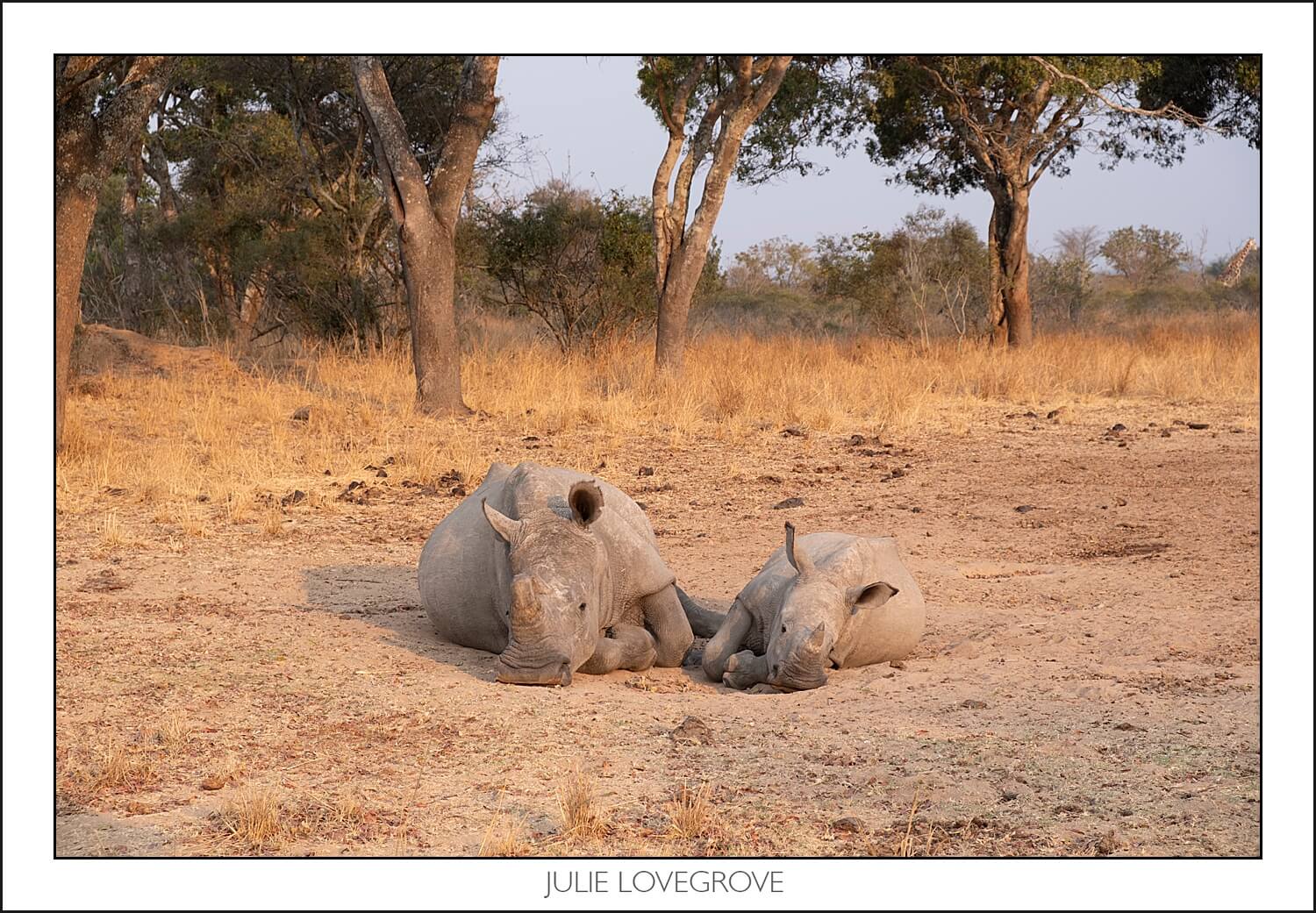
Early evening snooze
The warthogs also like the ‘cubes’ that are for the rhinos.
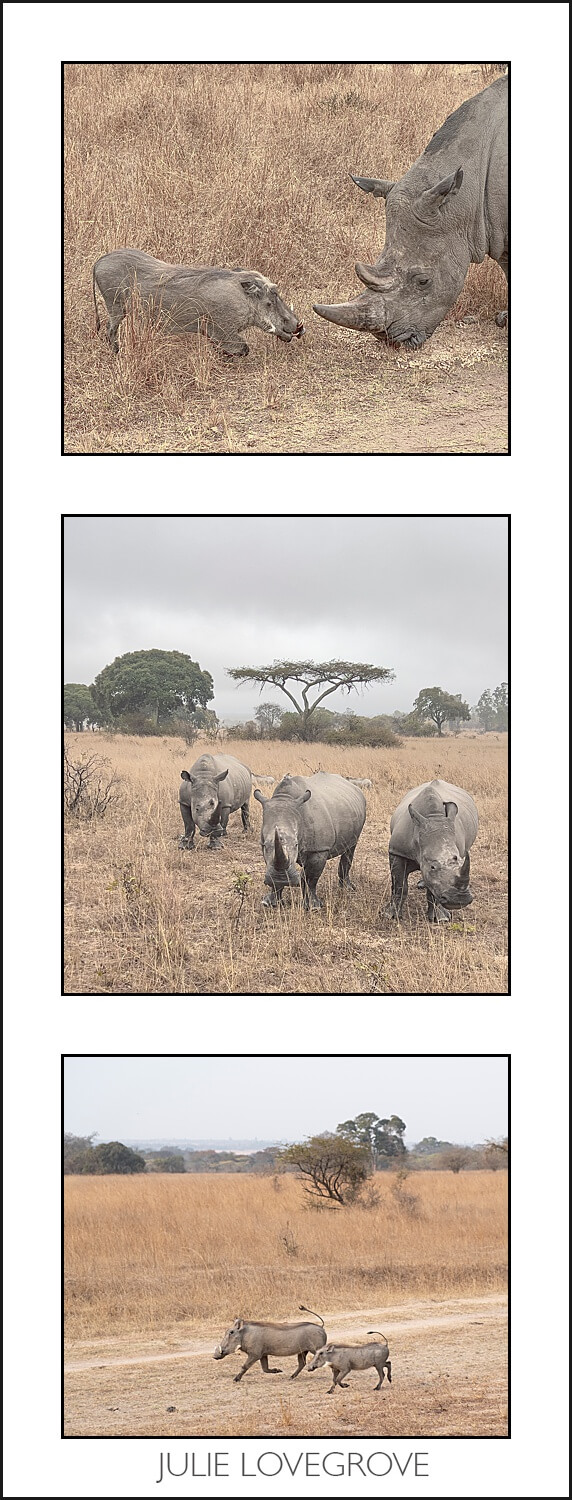
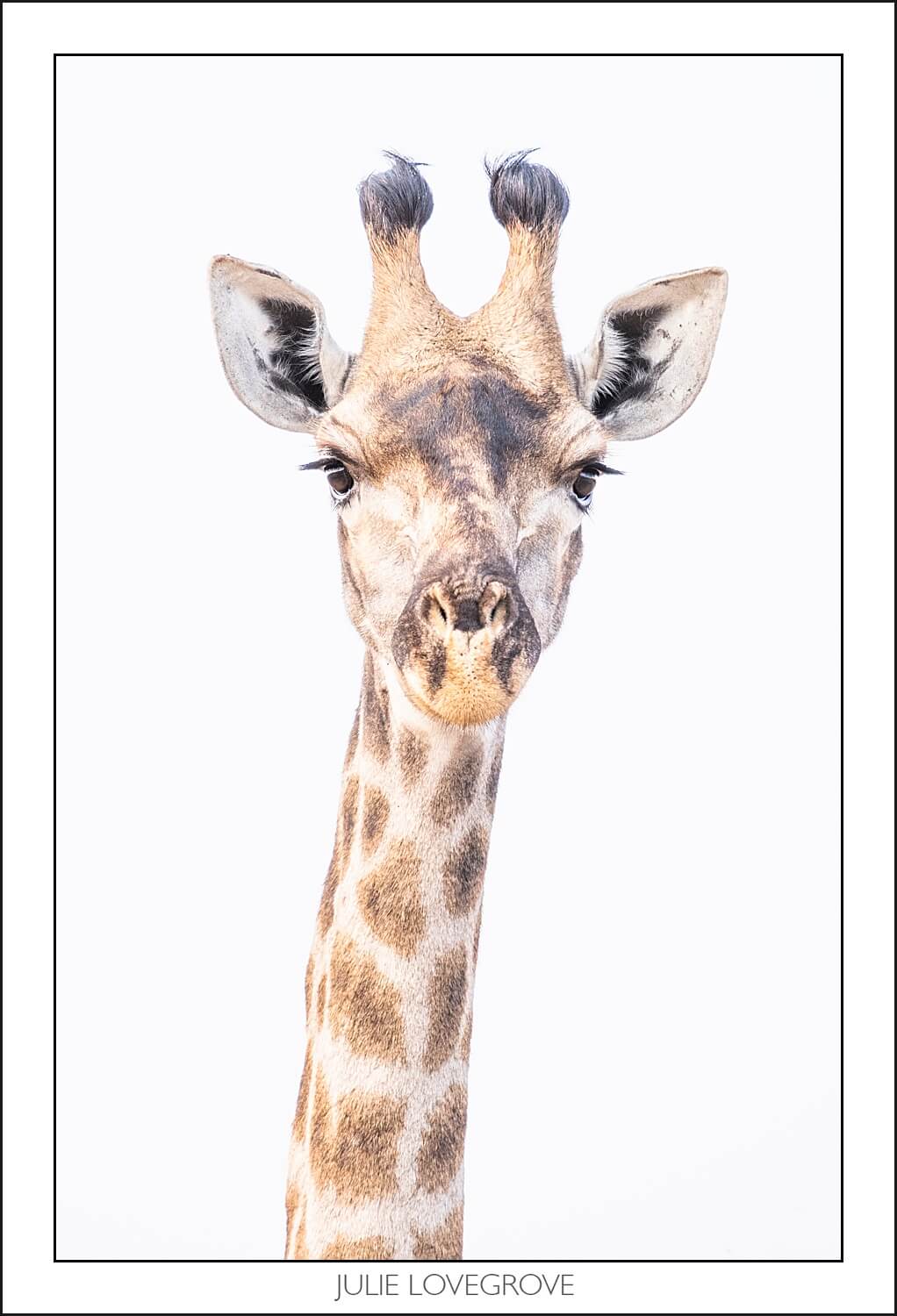
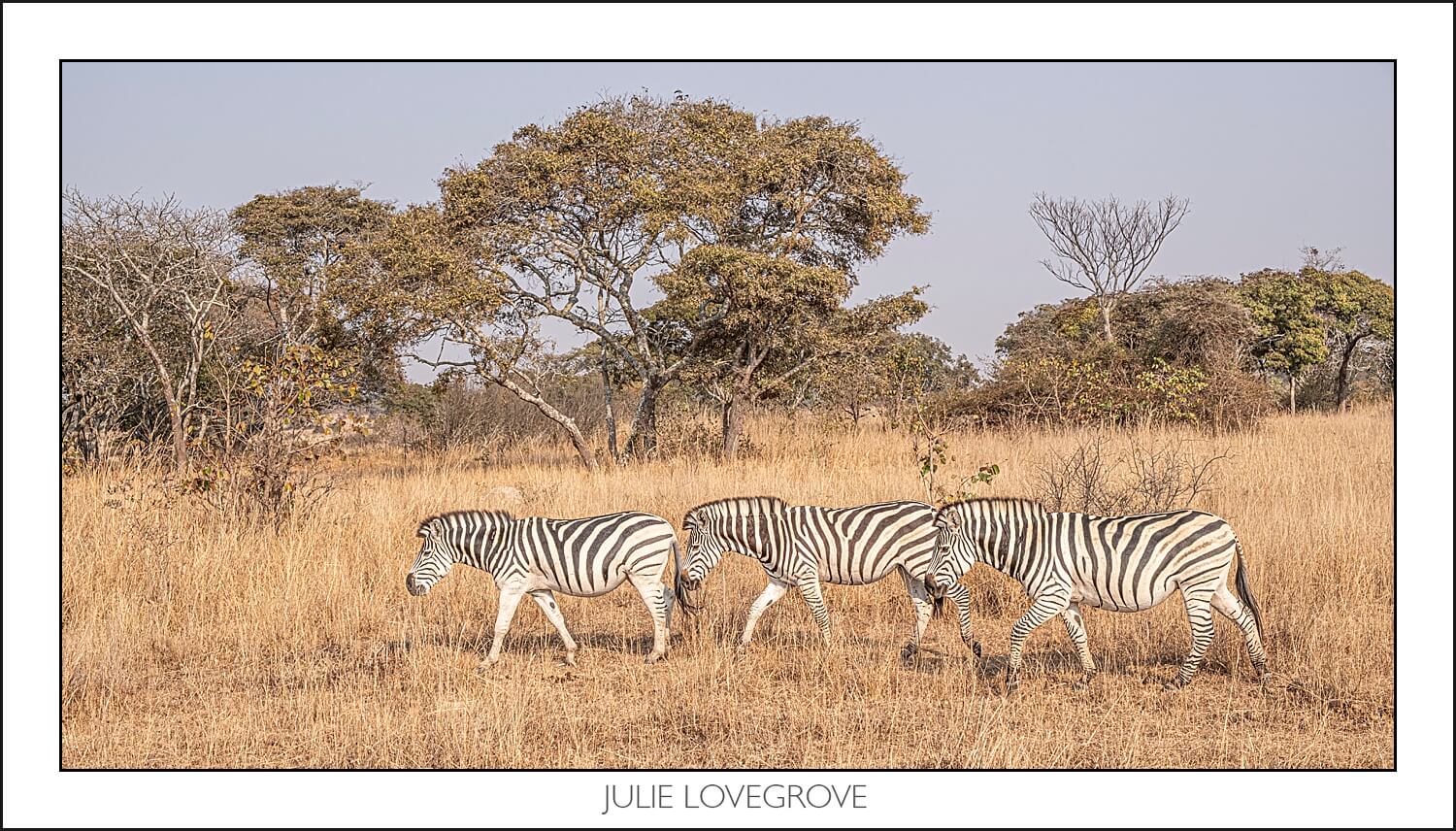
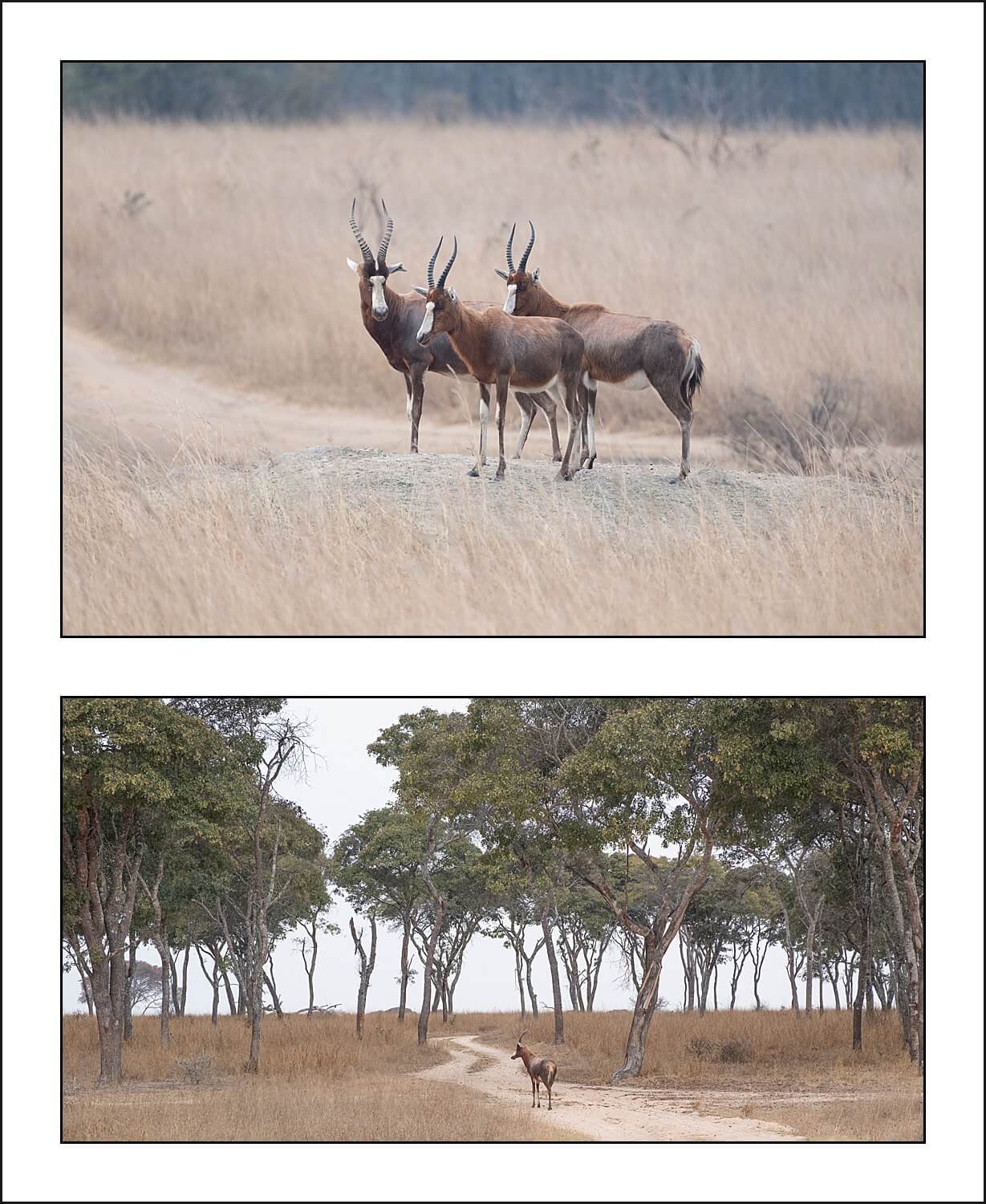
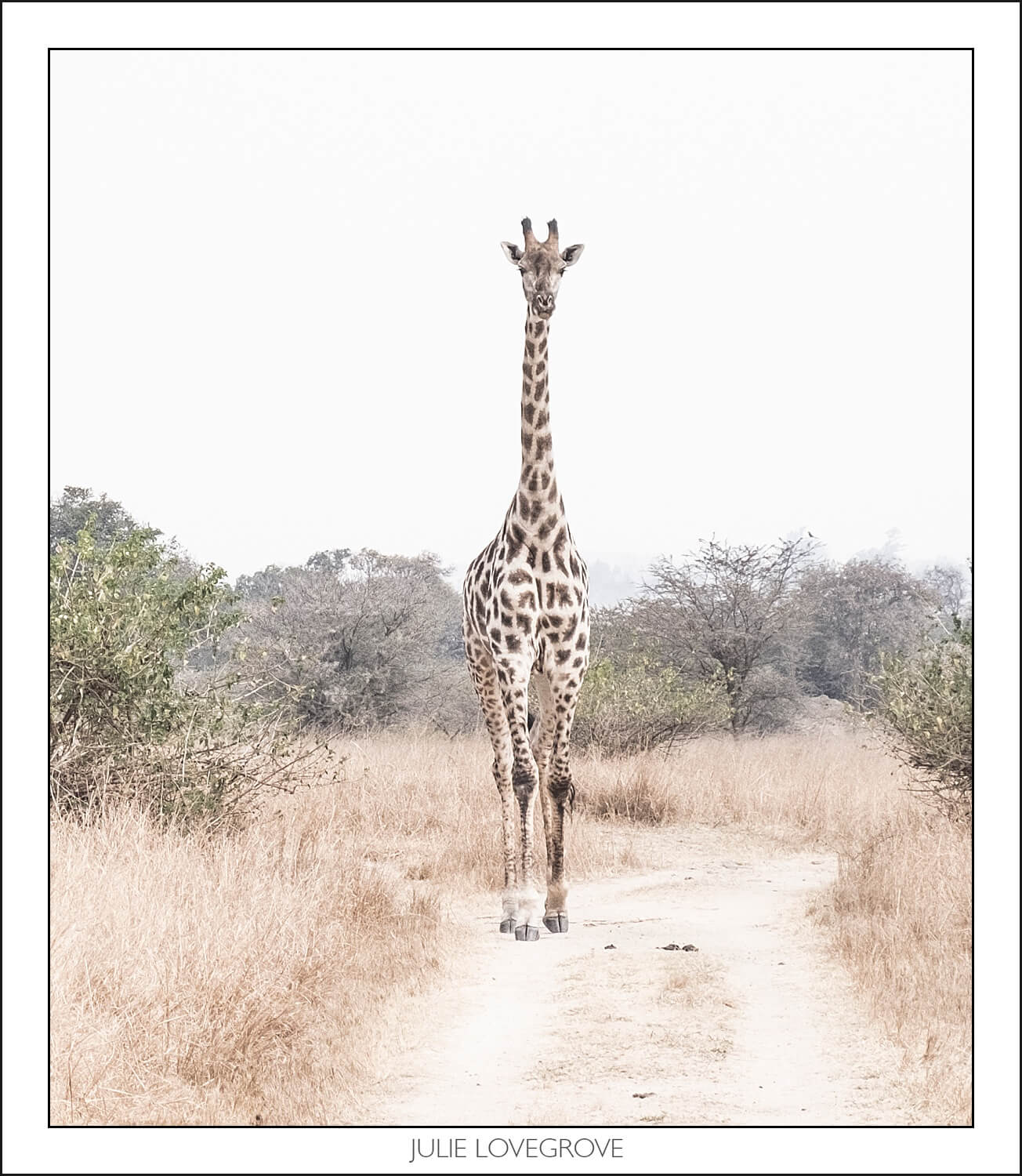
As we drove around it was nice to see the other wildlife that lives there.
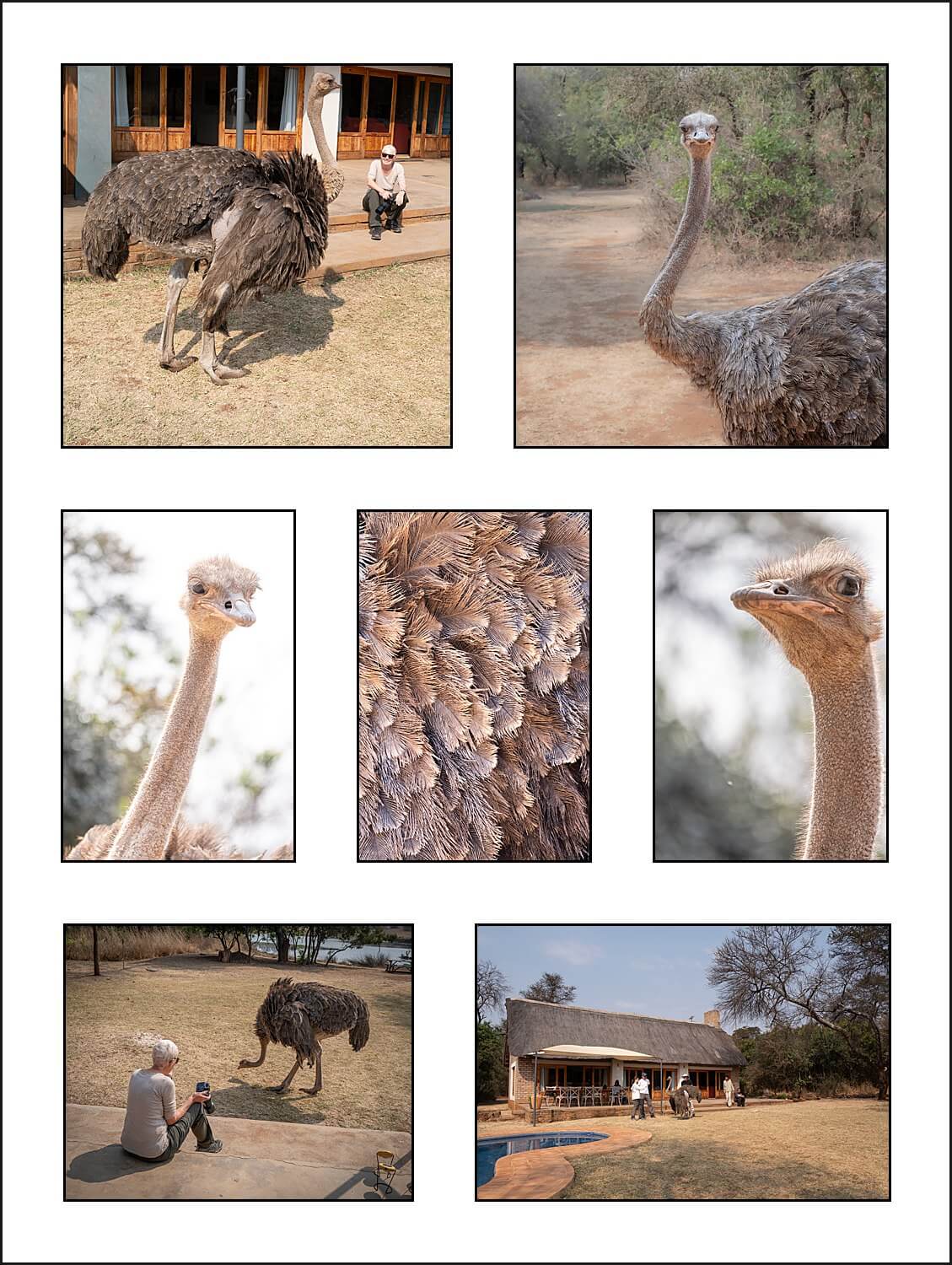
Below is Pamela, the only ostrich on Imire. She is very habituated and seems to like the company of humans. It was quite amazing to be so close.
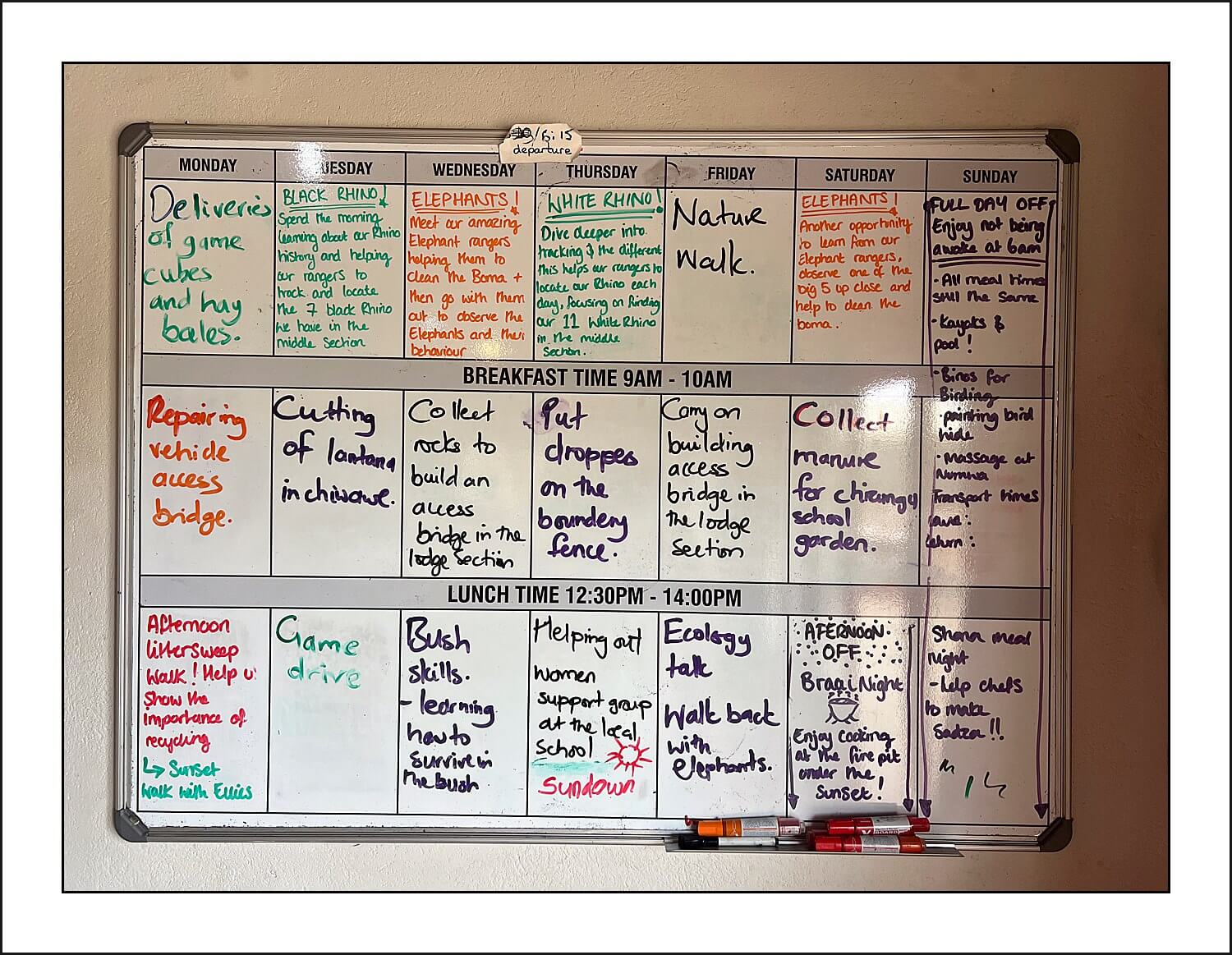
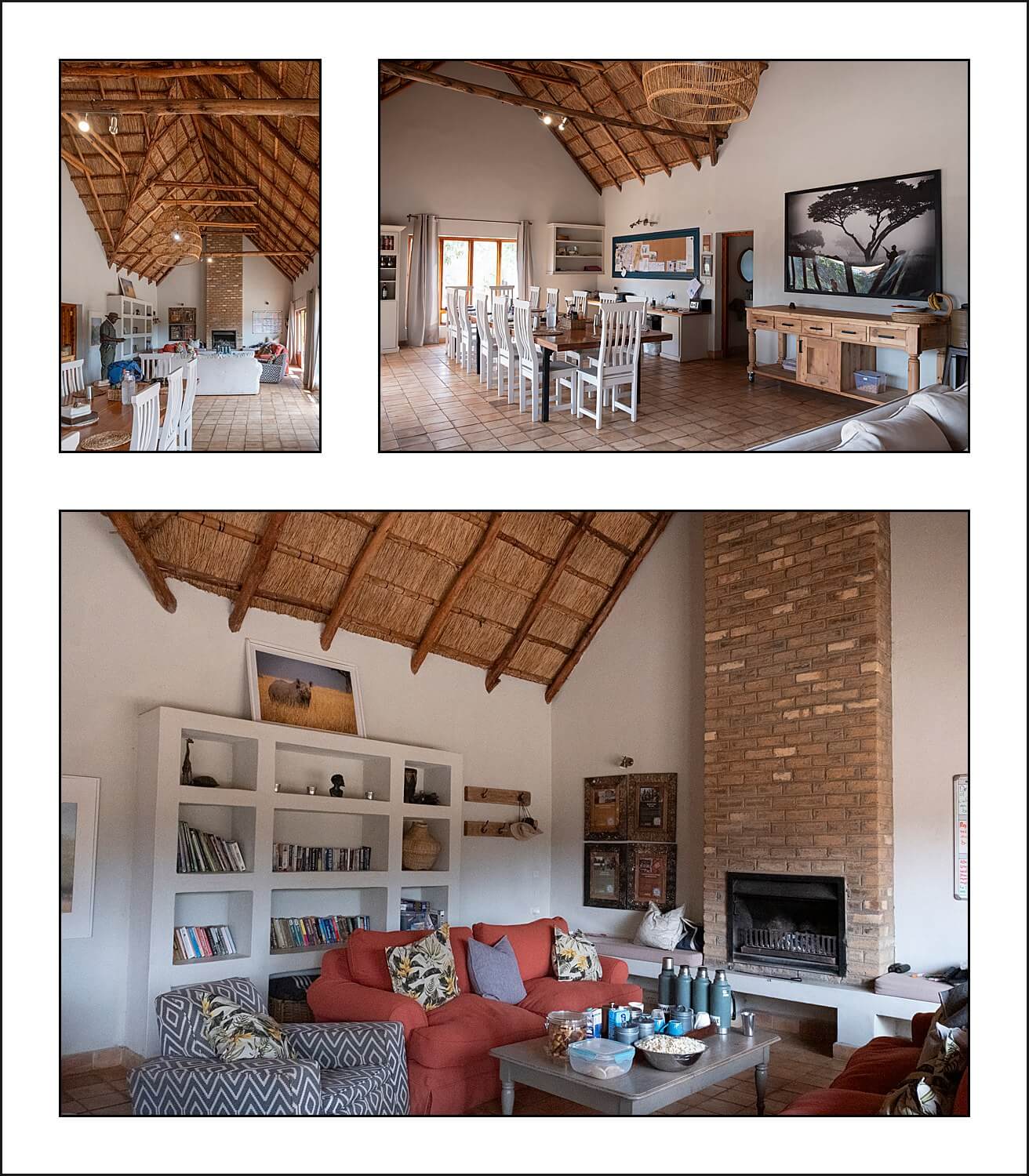
Although we slept in tents, the main room was where we all relaxed and ate. There was always a log fire burning which was very welcomed as it was really cold, dropping down to 4ºc at night. Below is the board that lists the volunteer duties each day.
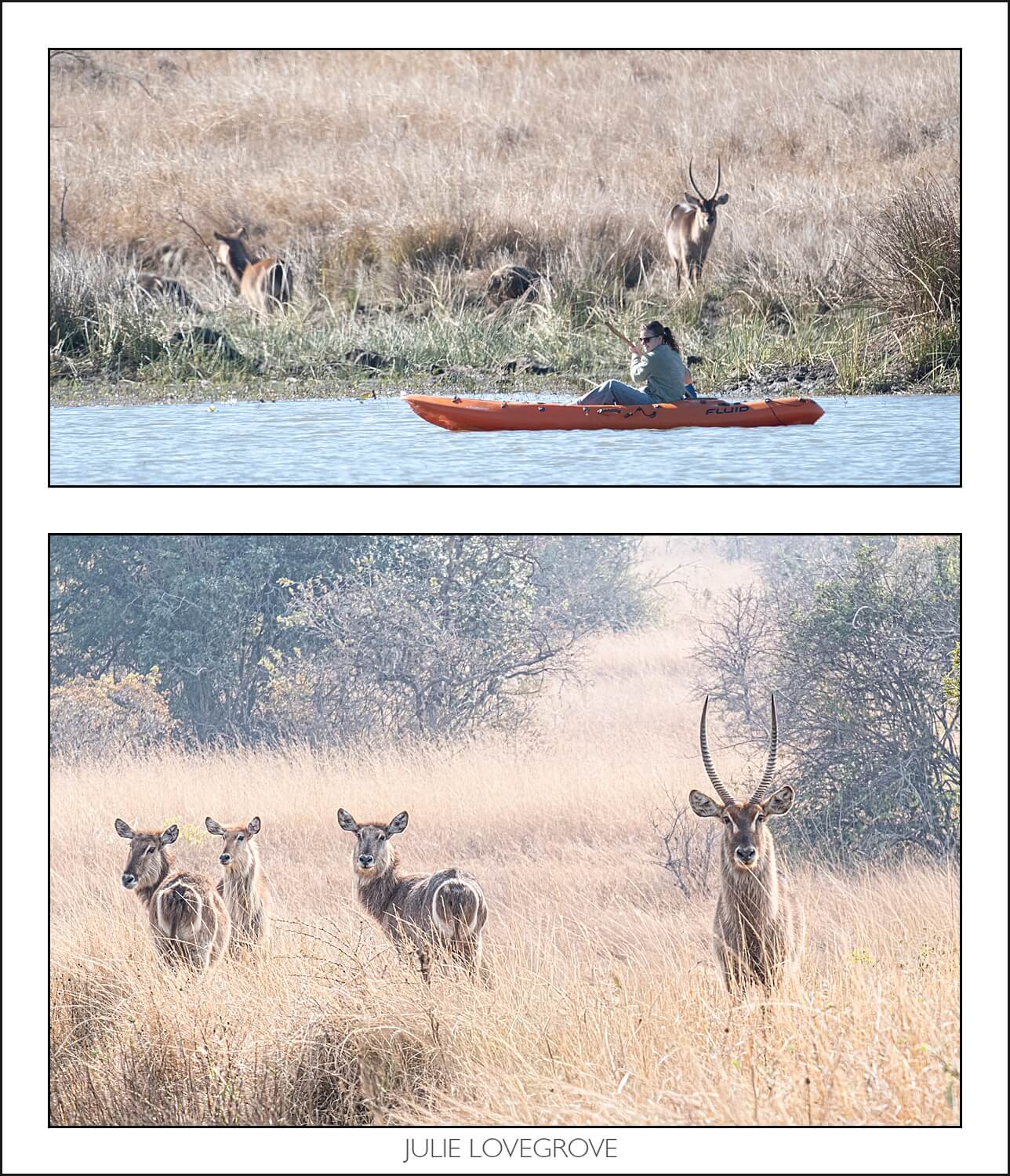
There were also a couple of kayaks for us to use and it was really nice to be able to paddle out on the lake and get closer to the waterbucks and any other animals that came down to drink.
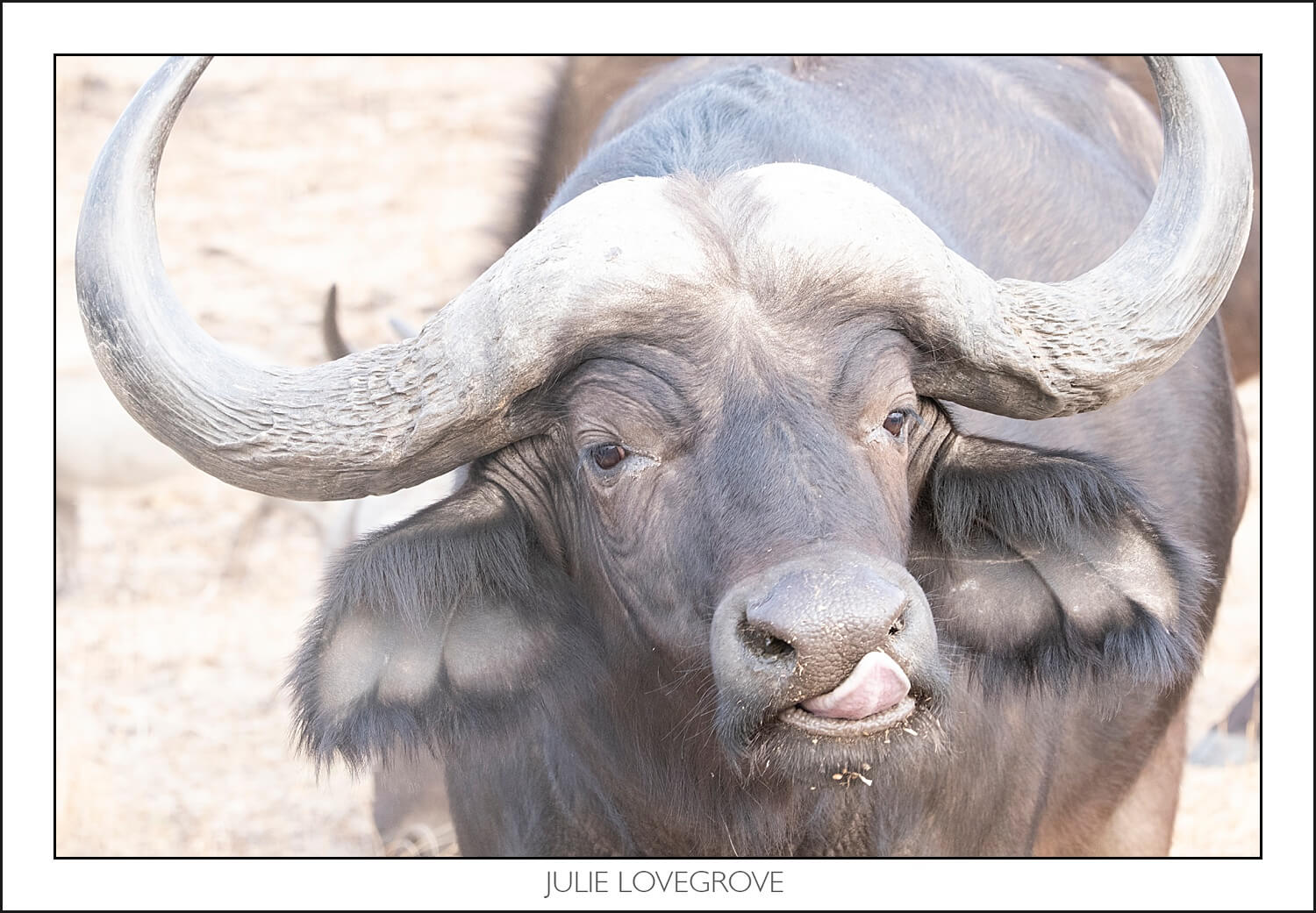
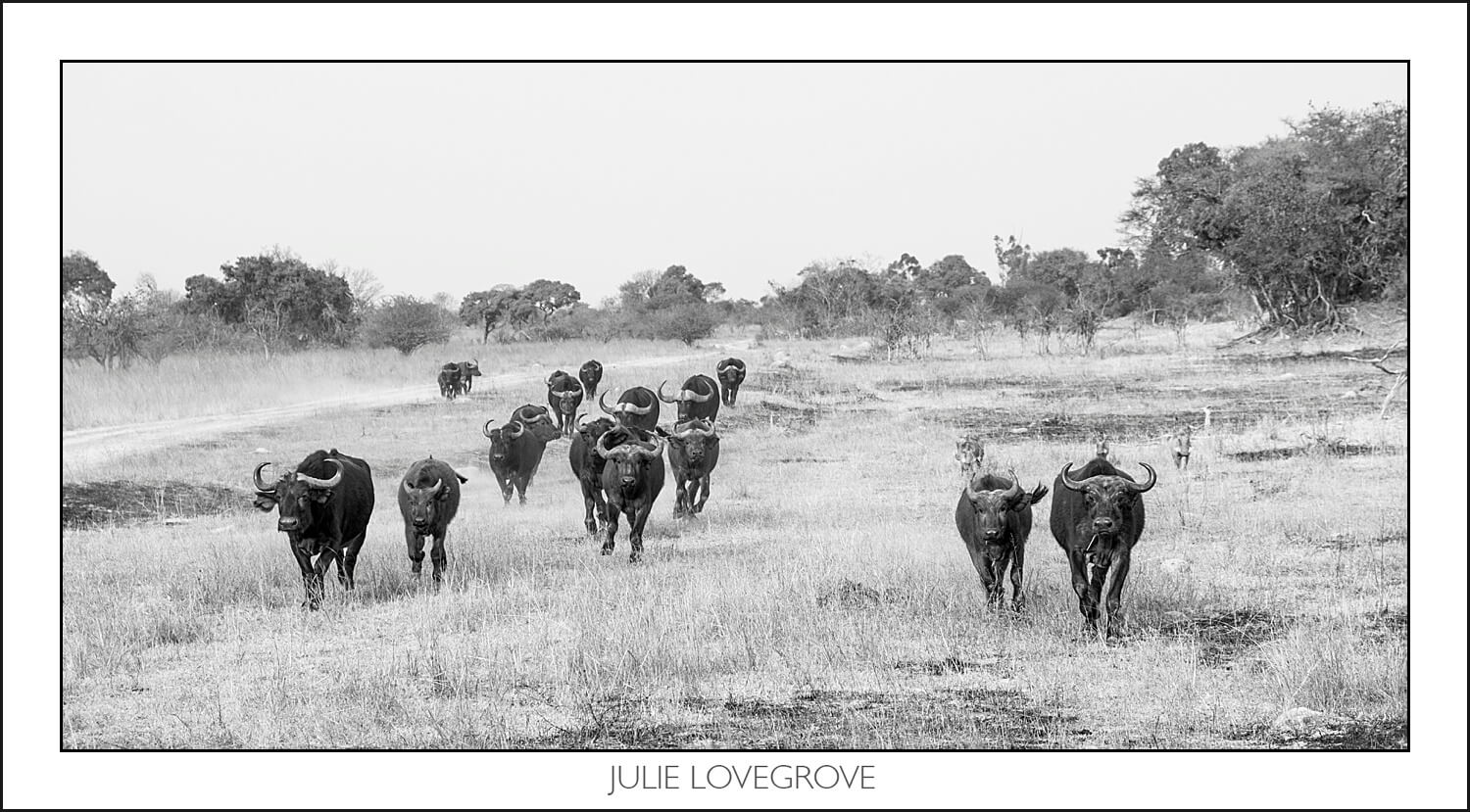
The buffalo also receive supplementary feed and know what is coming when they hear a vehicle approaching. Our ranger had to spread the cubes on the ground and run back into the vehicle before the buffalo reached him and they can run pretty fast!
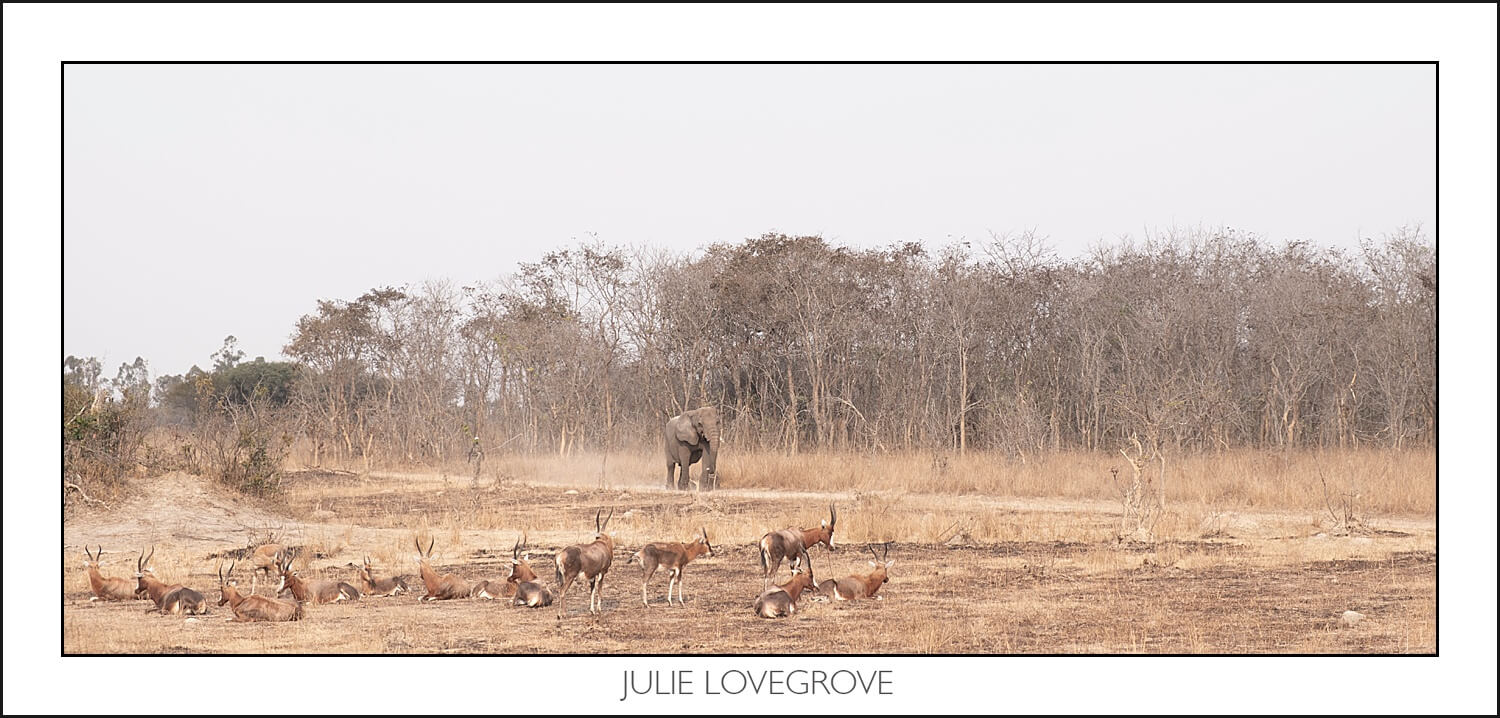
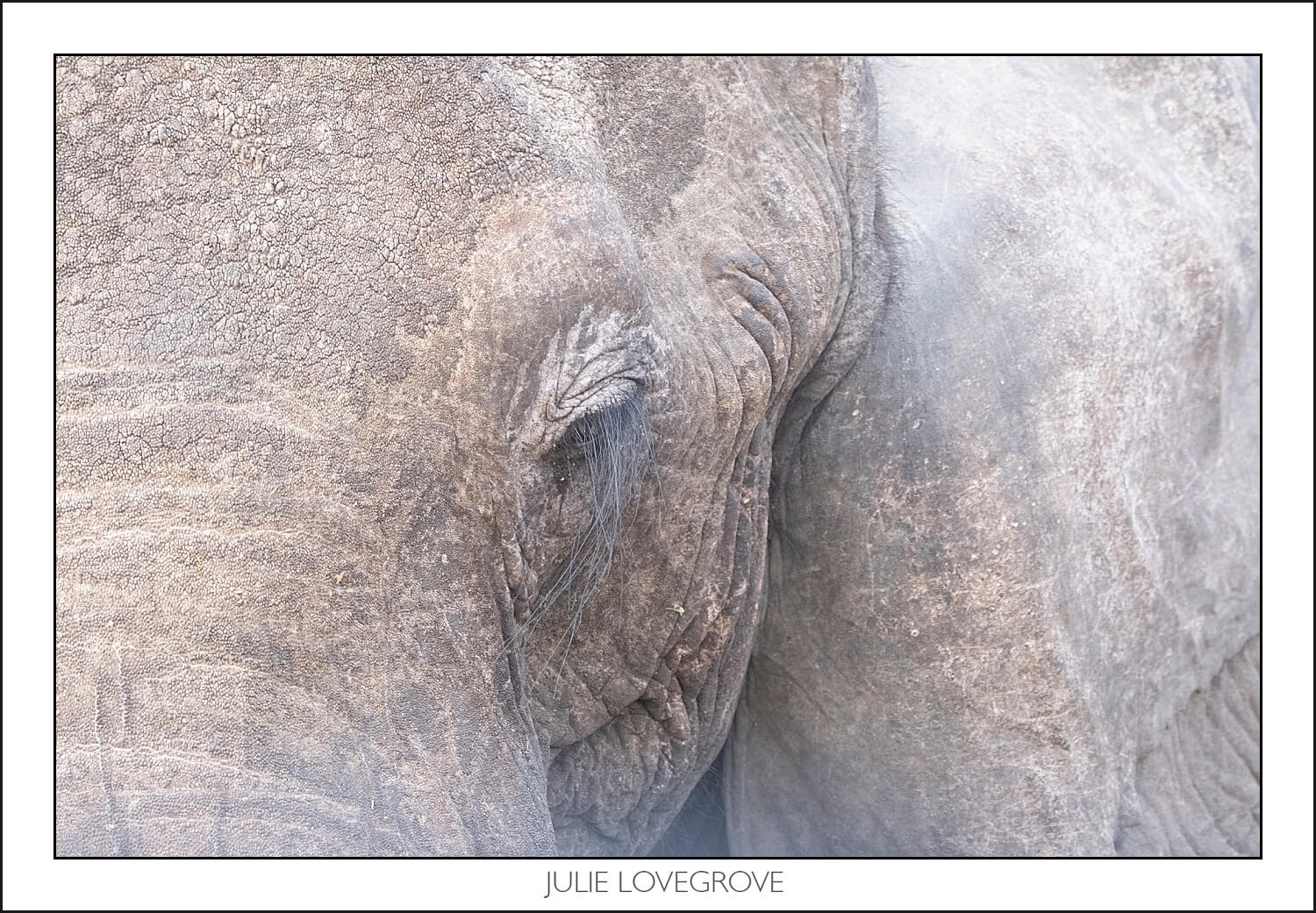
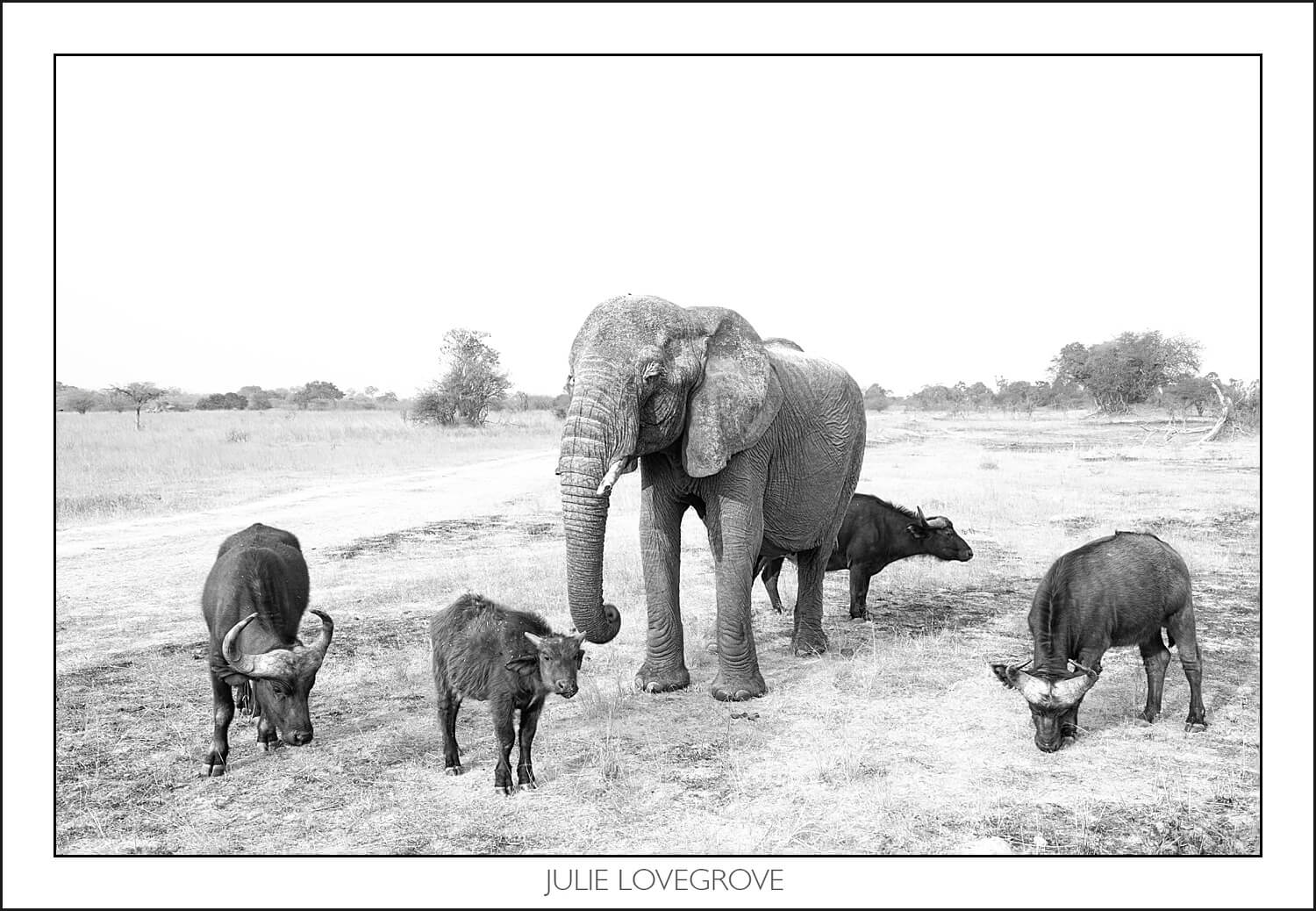
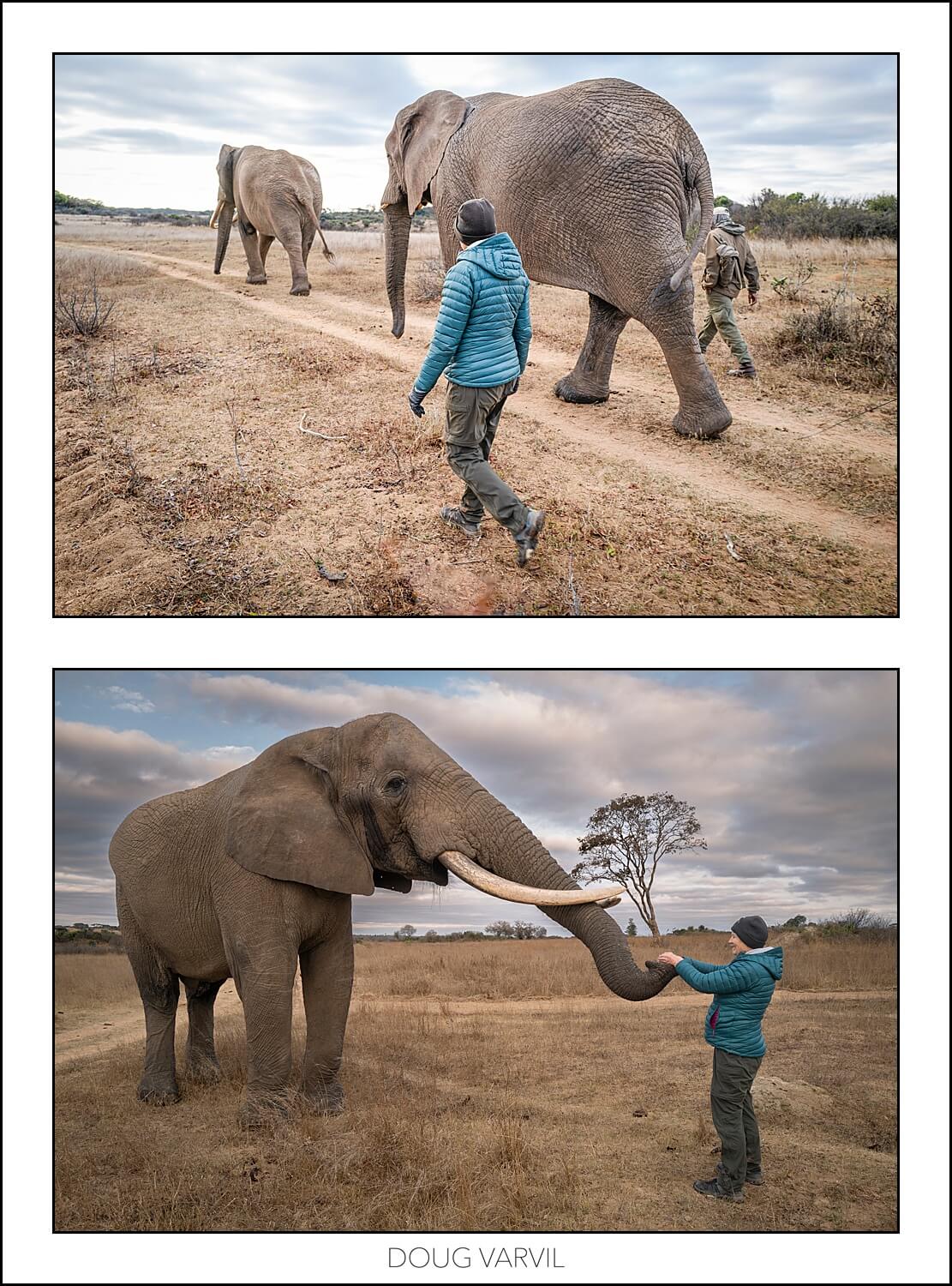
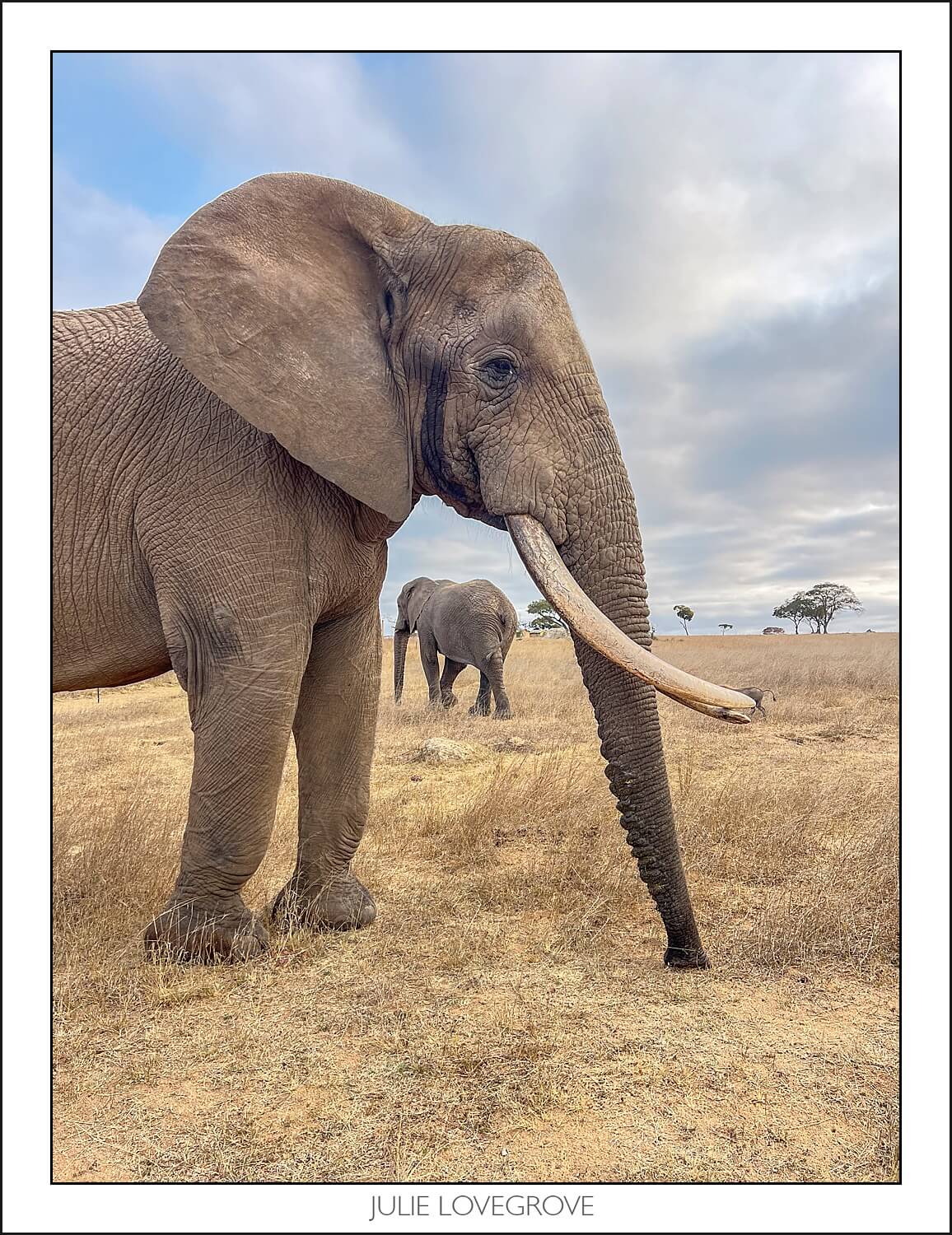
Imire is home to three elephants. Mac and Mandebvu (AKA Mandy) who stay together, and Nzou, the oldest female elephant on Imire. She chooses to live with a herd of buffalo (watch her story here)! All of them were orphaned at various stages from different conservation areas in Zimbabwe. Below we have Nzou.
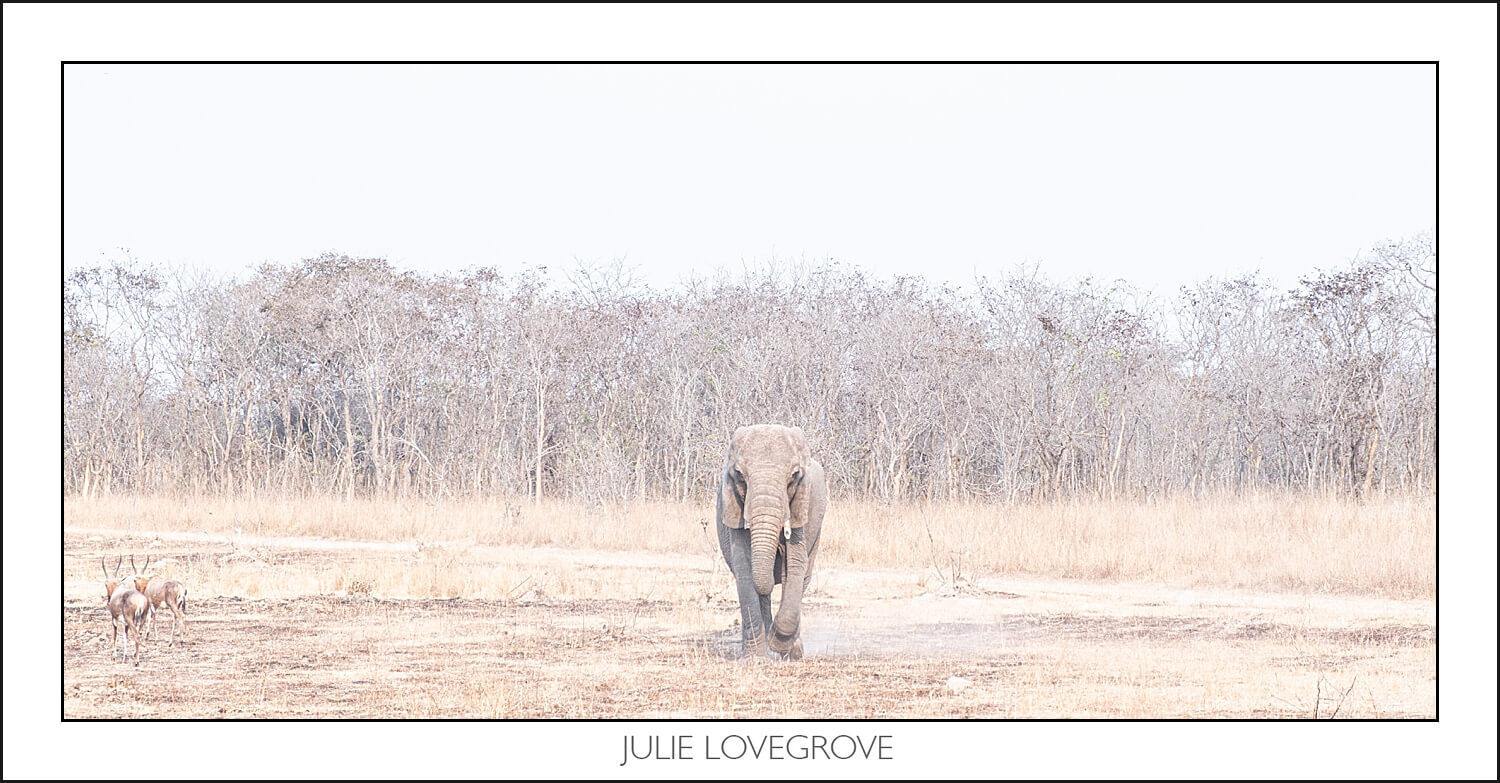
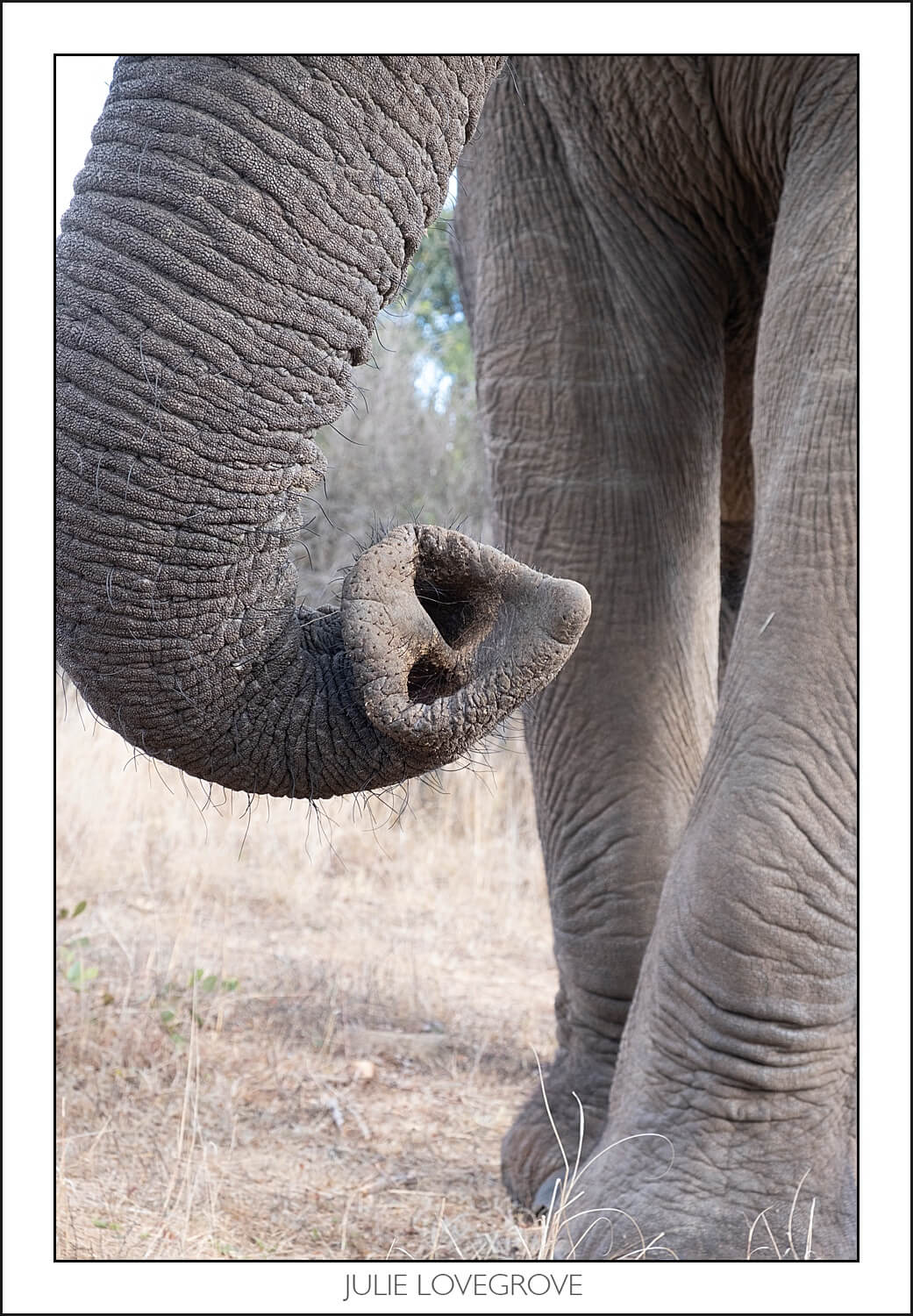
Incredibly long eyelashes!
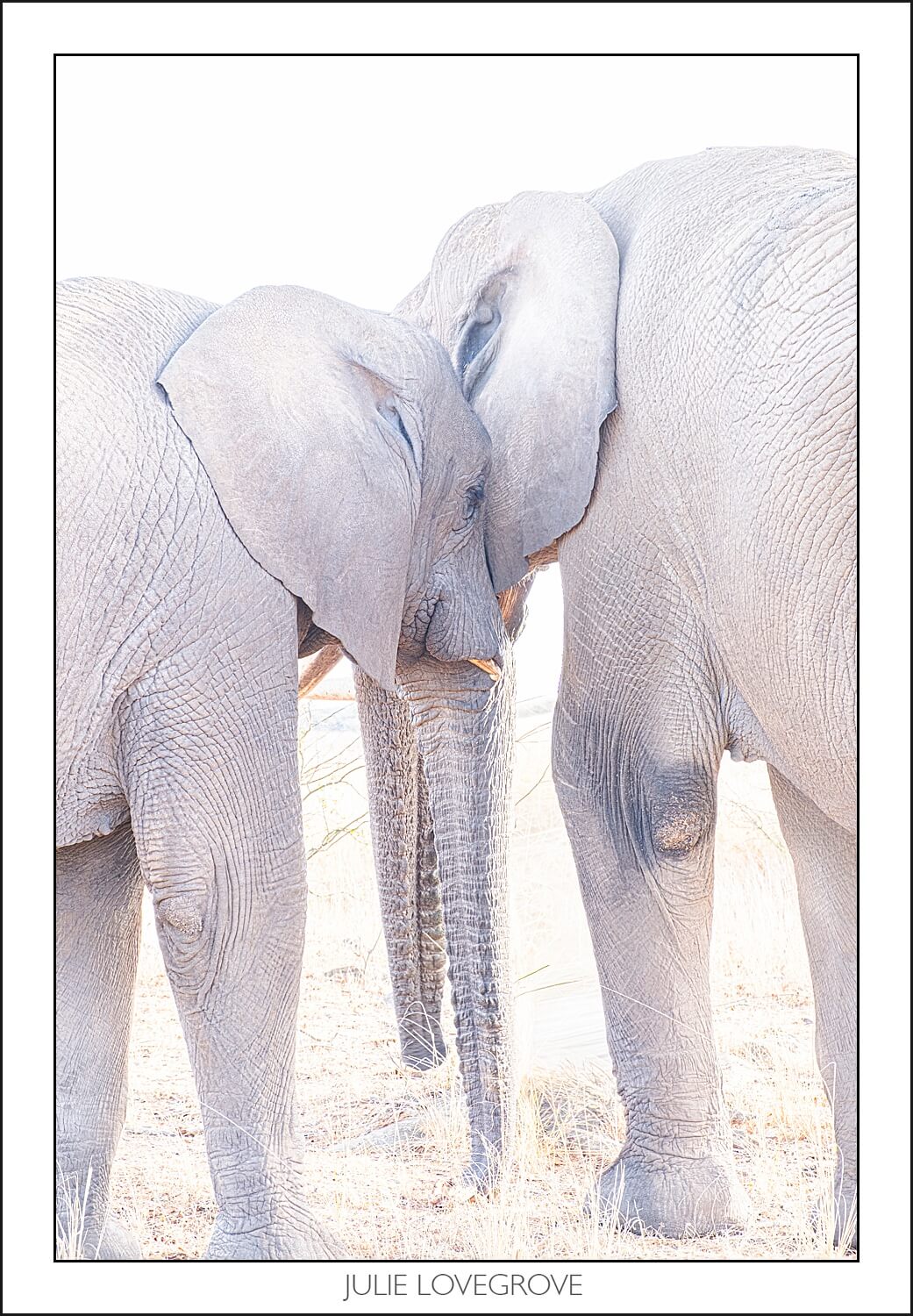
And now we have Mac & Mandy.
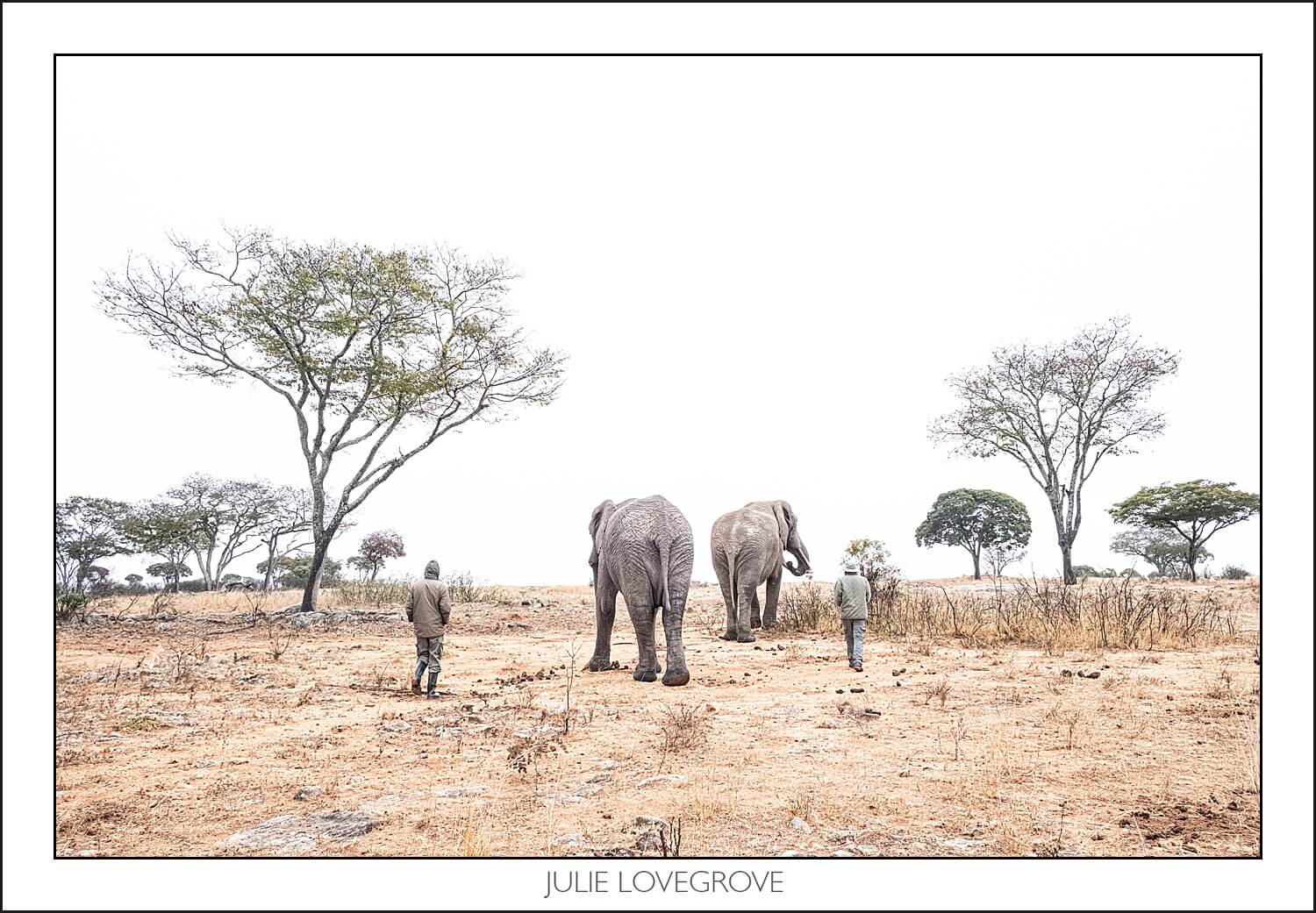
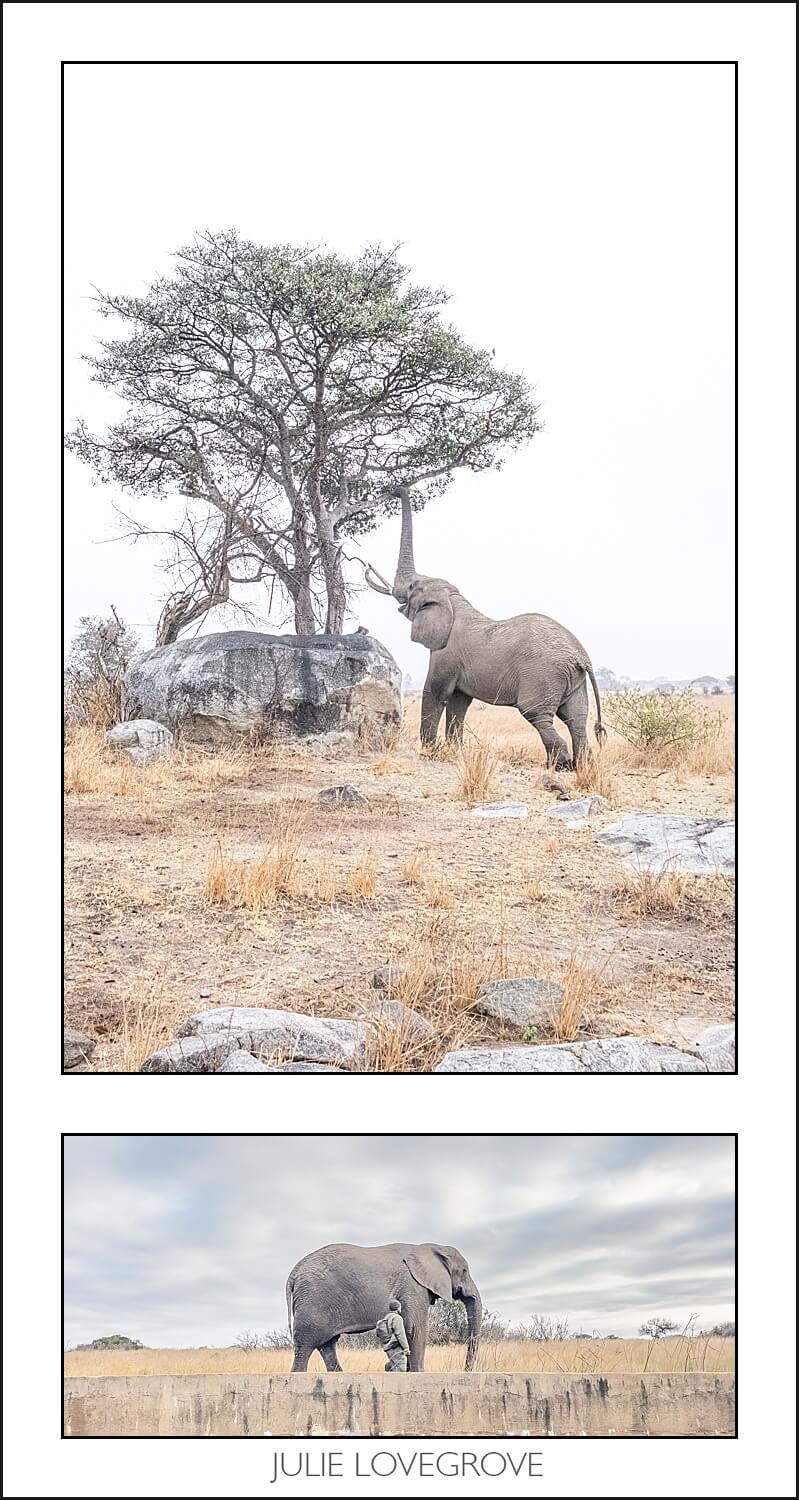
The volunteers are able to walk with them and hand feed them cubes, which is a great experience.
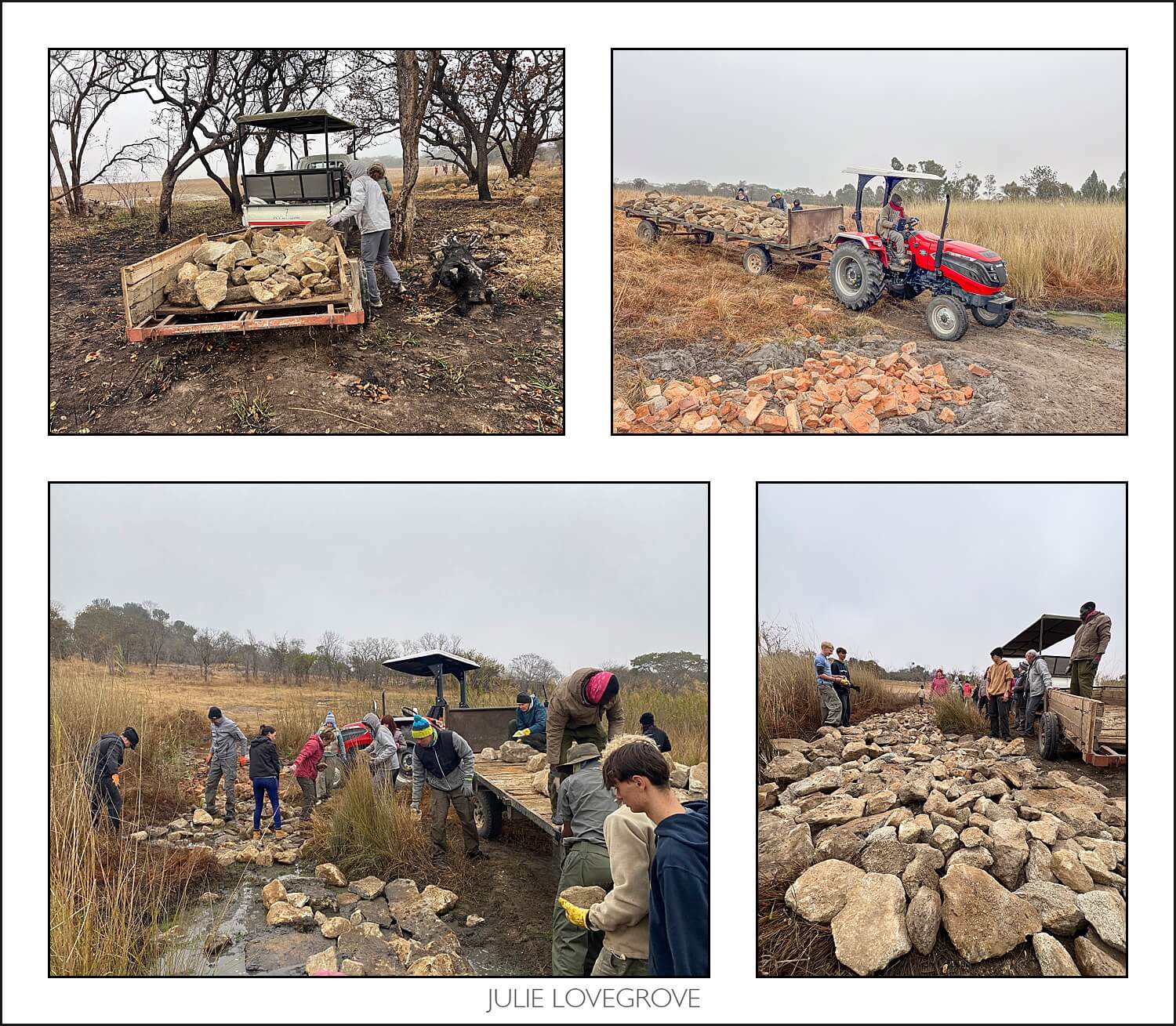
Our first ‘job’ was to use machetes to cut down some lantana, which is an alien plant that forms dense, impenetrable thickets that choke out native vegetation. It has savage thorns and can grow very high with thick trunks. I didn’t have my phone or camera with me so have no photos, but I did come away with a blister on my hand from wielding the machete! It is a constant ongoing job as there is so much of it. Other volunteer duties included collecting stones & rocks from one part of the conservancy and then laying them down elsewhere on part of a low lying track that becomes waterlogged. It was a great group effort but we didn’t finish the job so other volunteers will continue with the task.
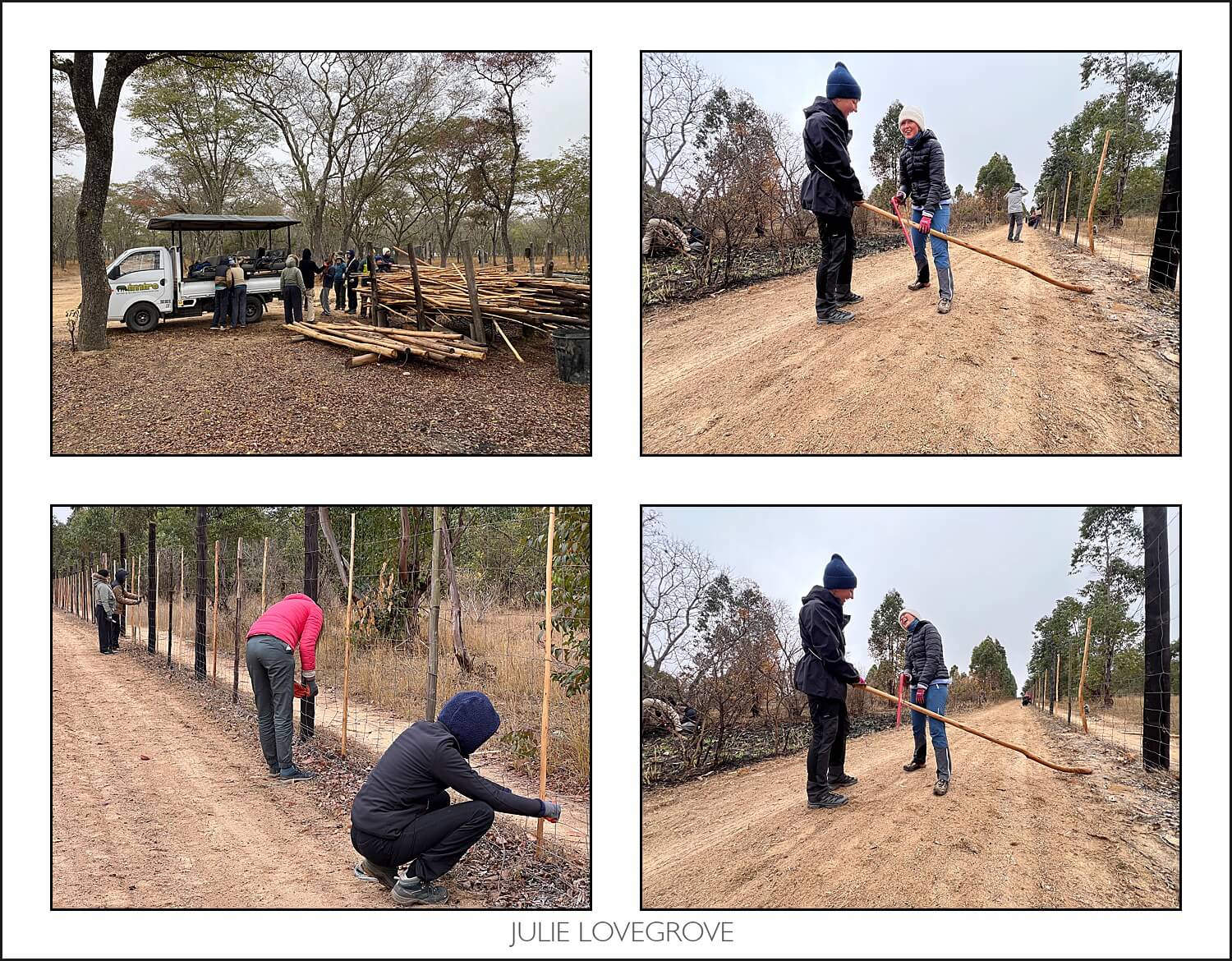
We also collected poles, sawed them to the right height, and reinforced one of the boundary line fences with them.
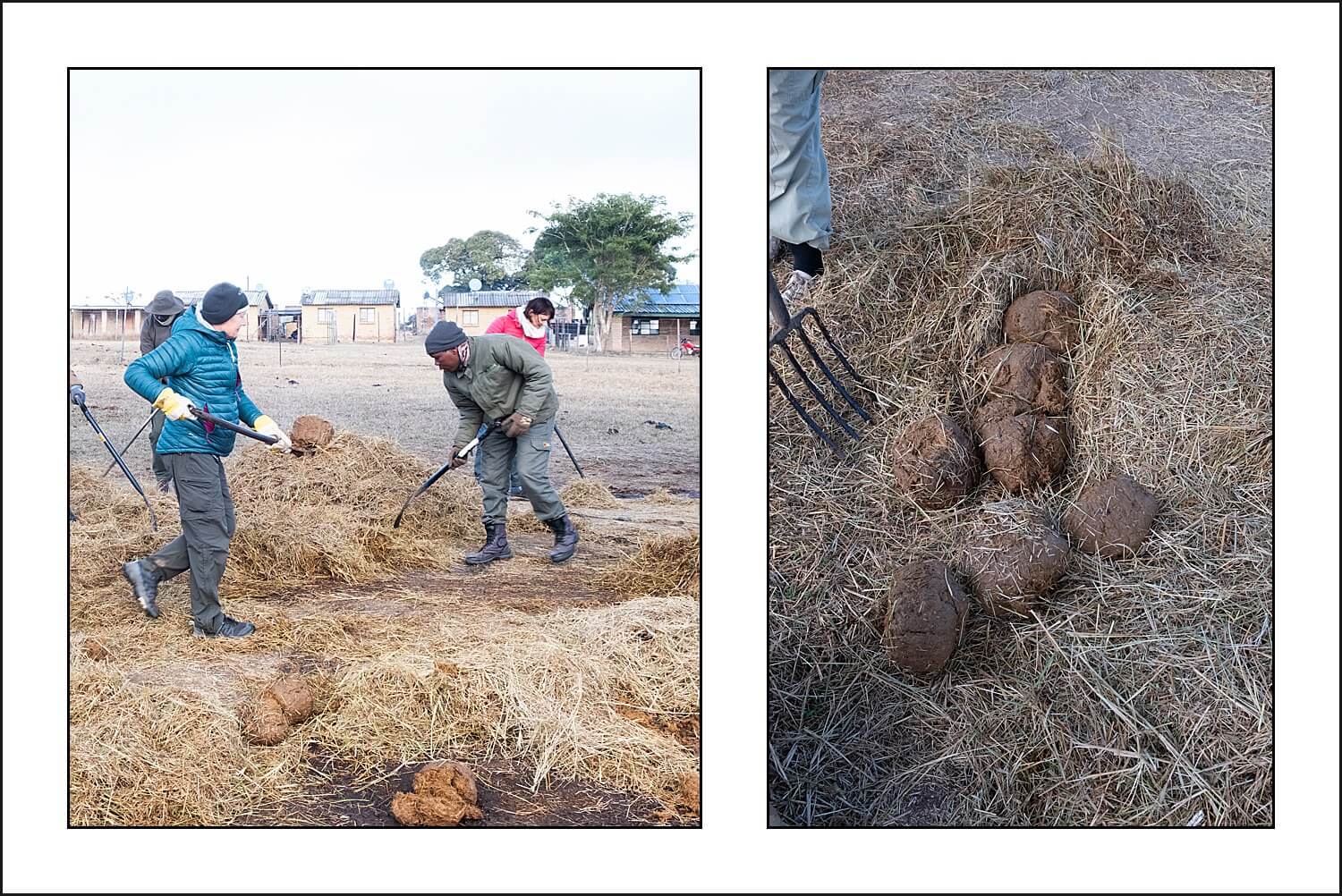
Cleaning the elephant bomas where Mac & Mandy sleep overnight is an early morning job that needs doing every day. Elephant poo is heavy!
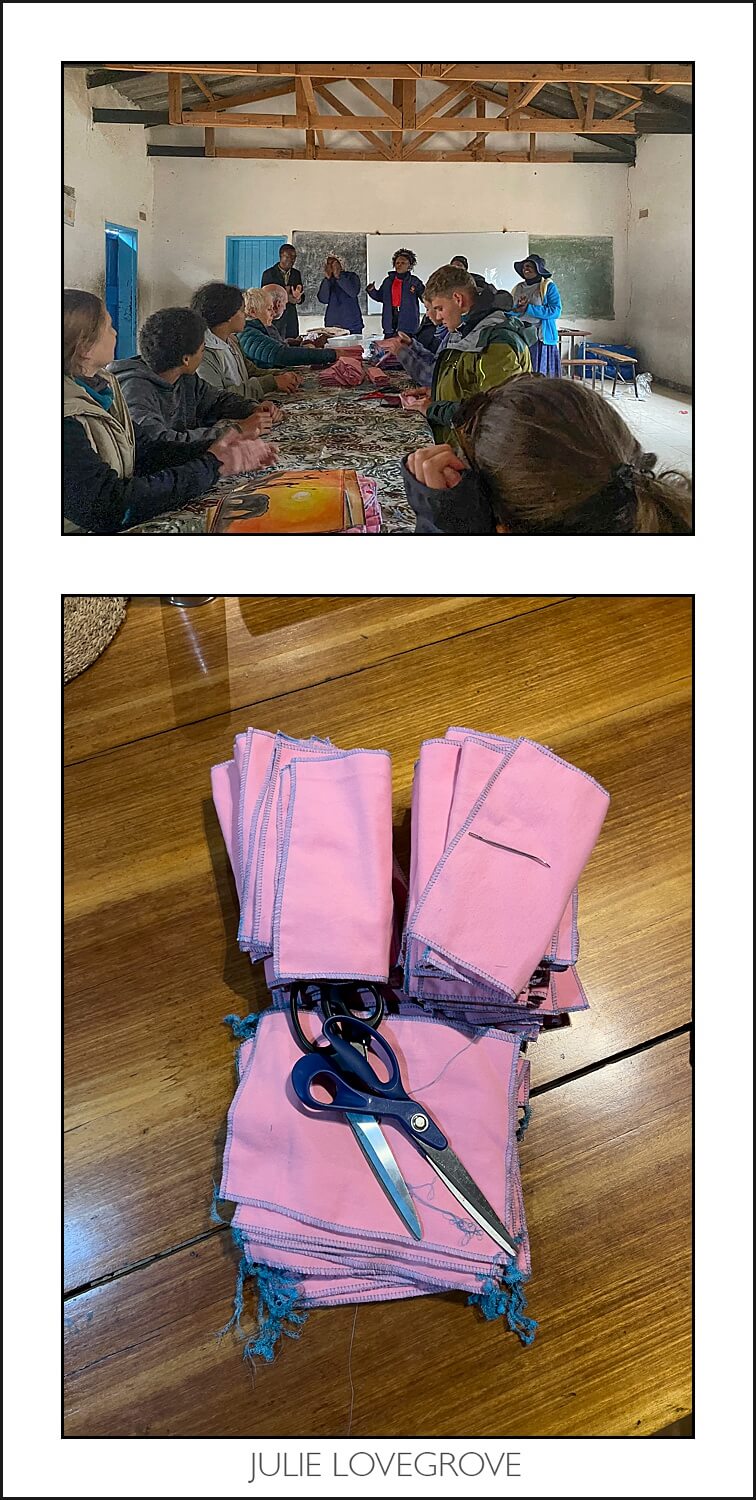
One day we went to a local school to help a group of women who are enabling girls to go to school every week, rather than missing one week every month when they are menstruating. It is often a taboo subject within a family and they cannot afford sanitary items anyway, so these wonderful women make washable & reusable ones for them. We simply did the ‘finishing off’ of all the loose ends.
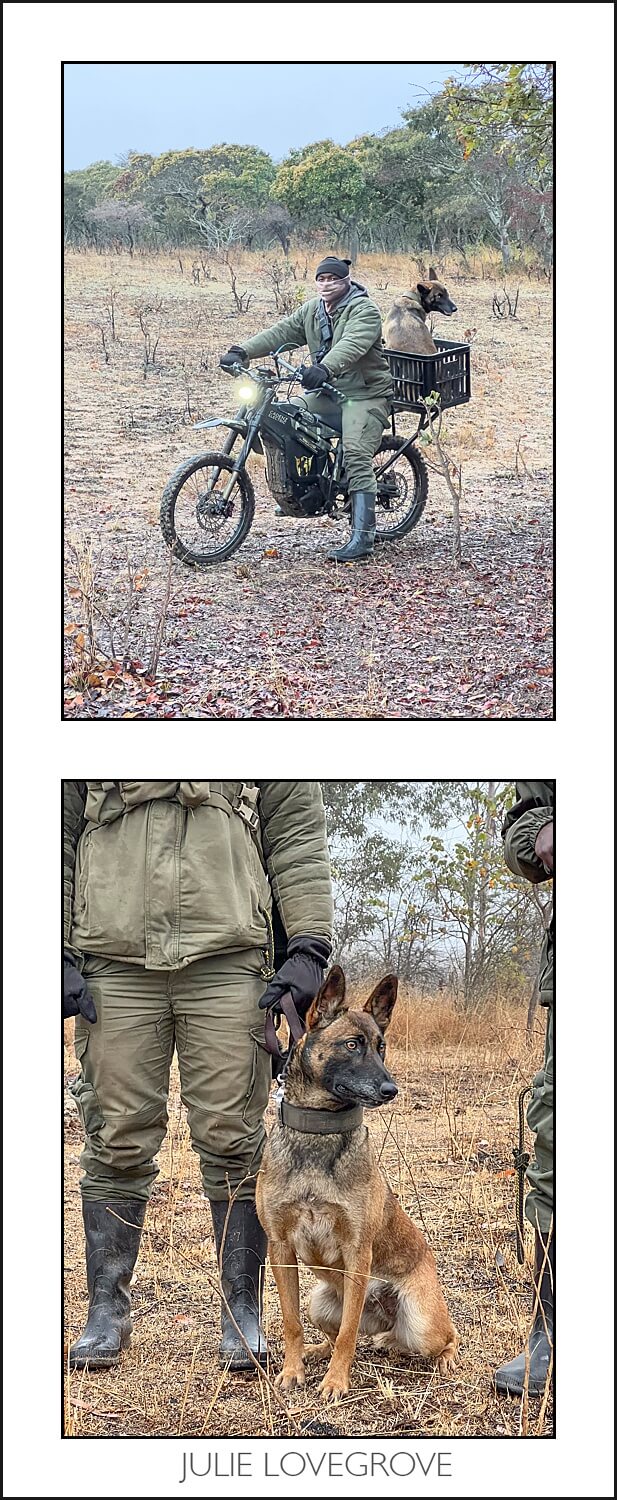
One day we walked part of the boundary fence with the anti-poaching team and one of their K9 dogs. Seeing the dog in action and how well trained it is was absolutely incredible.
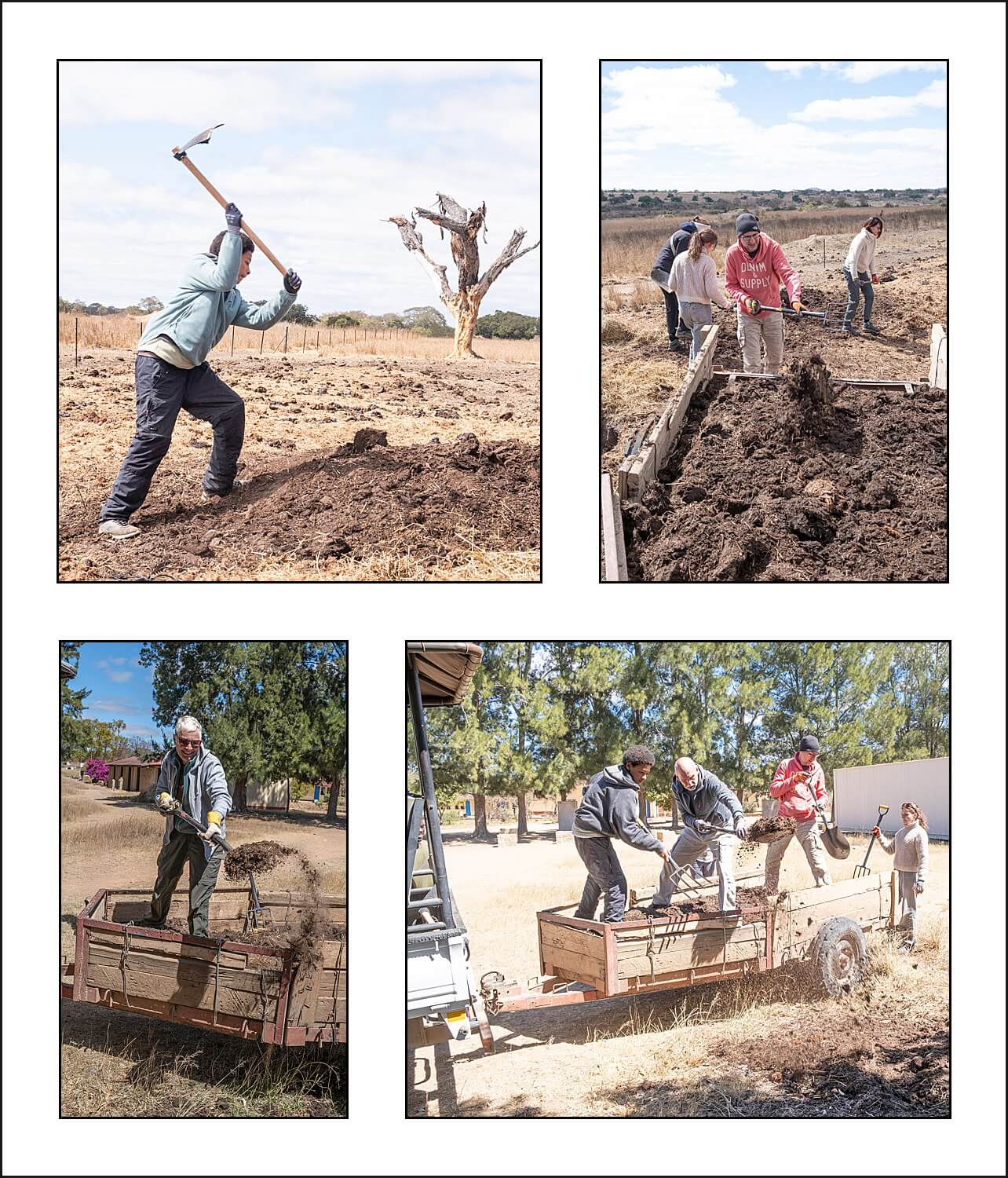
We also spent a couple of hours collecting the elephant poo that had turned into good compost and transported it to the school, where they use it on their vegetable garden.
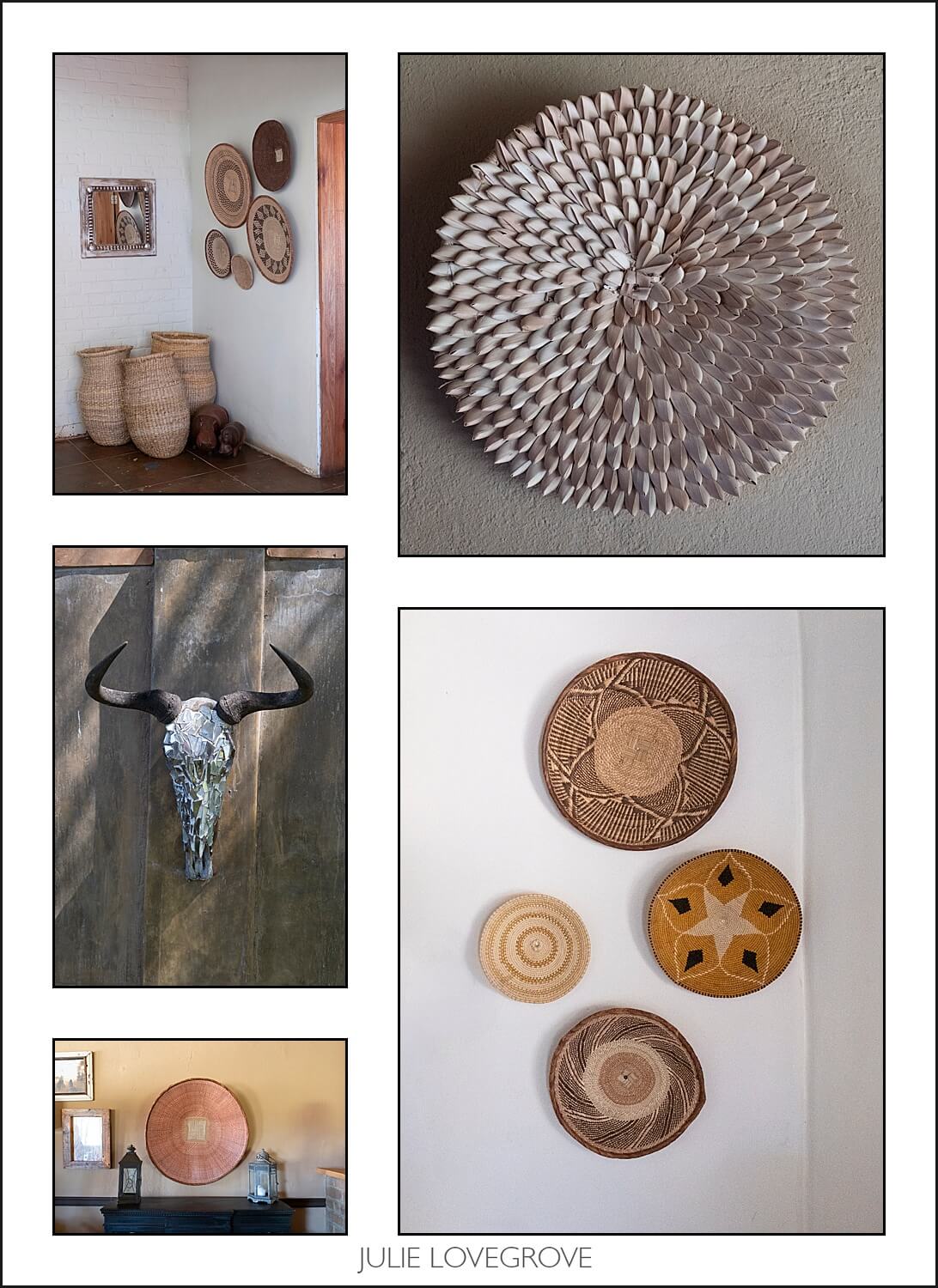
Imire has a beautiful lodge for guests and we were given a tour of some of the rooms. I’ve always enjoyed photographing ‘details’ so couldn’t resist capturing these below.
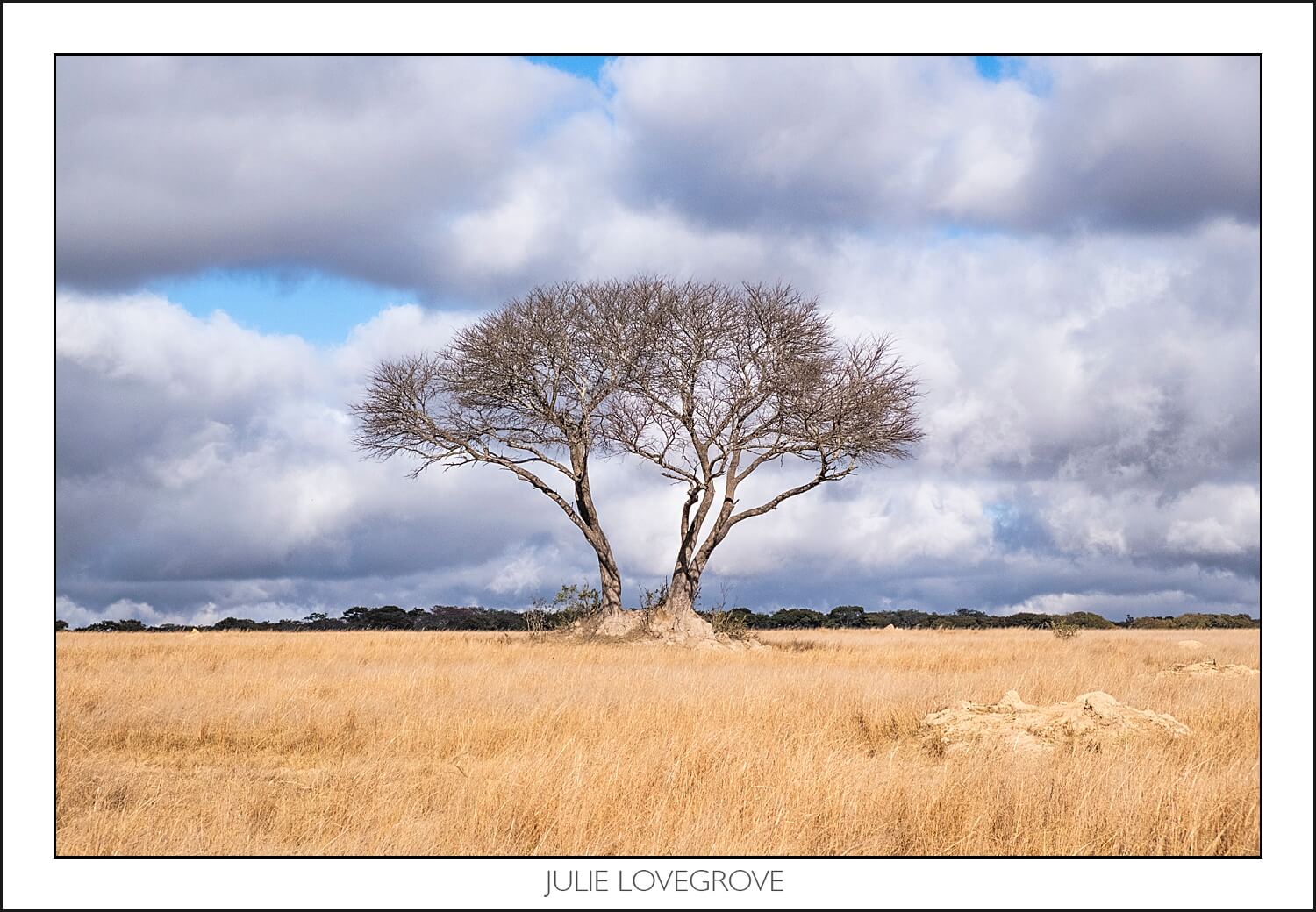
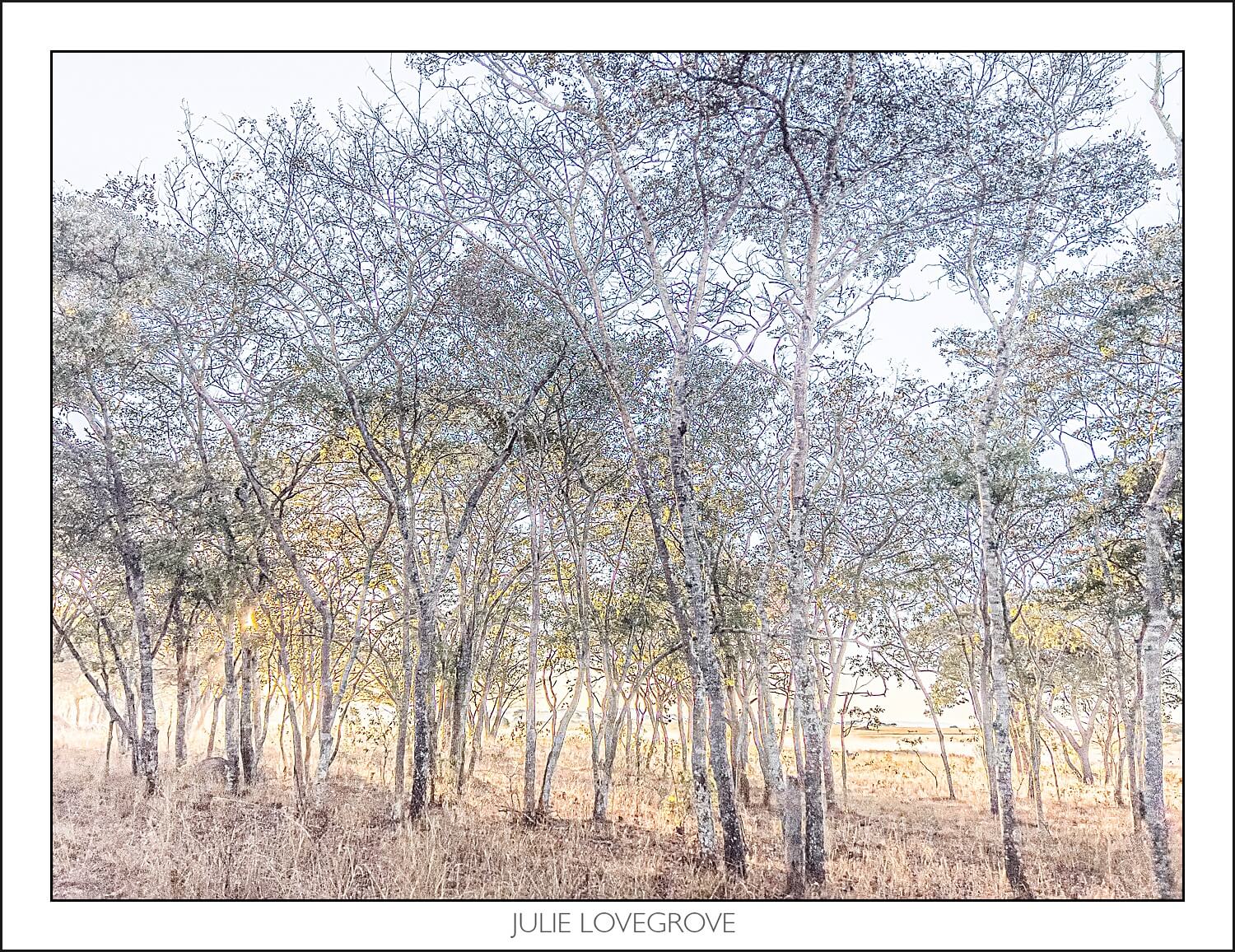
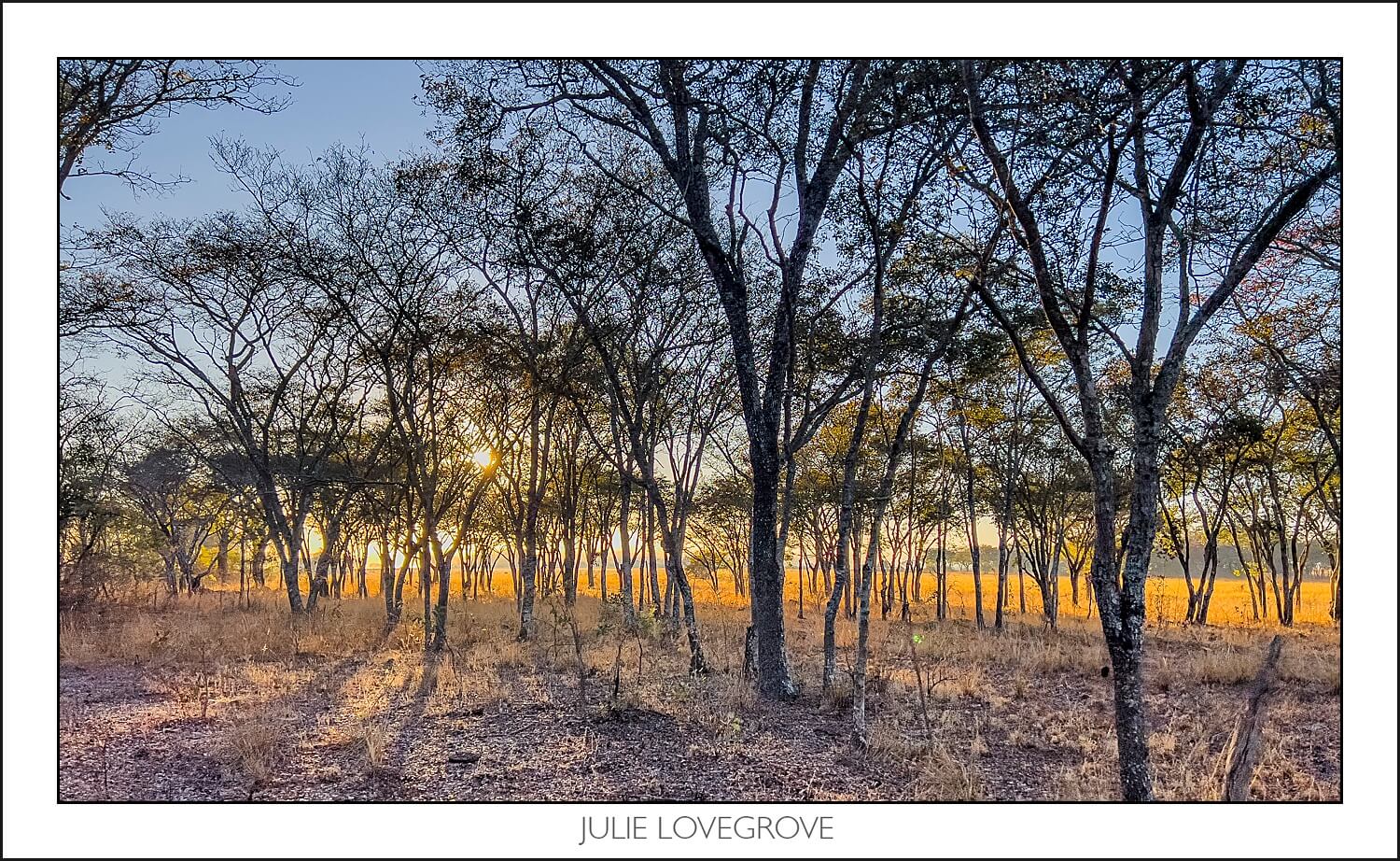
Trees are another favourite subject to photograph.
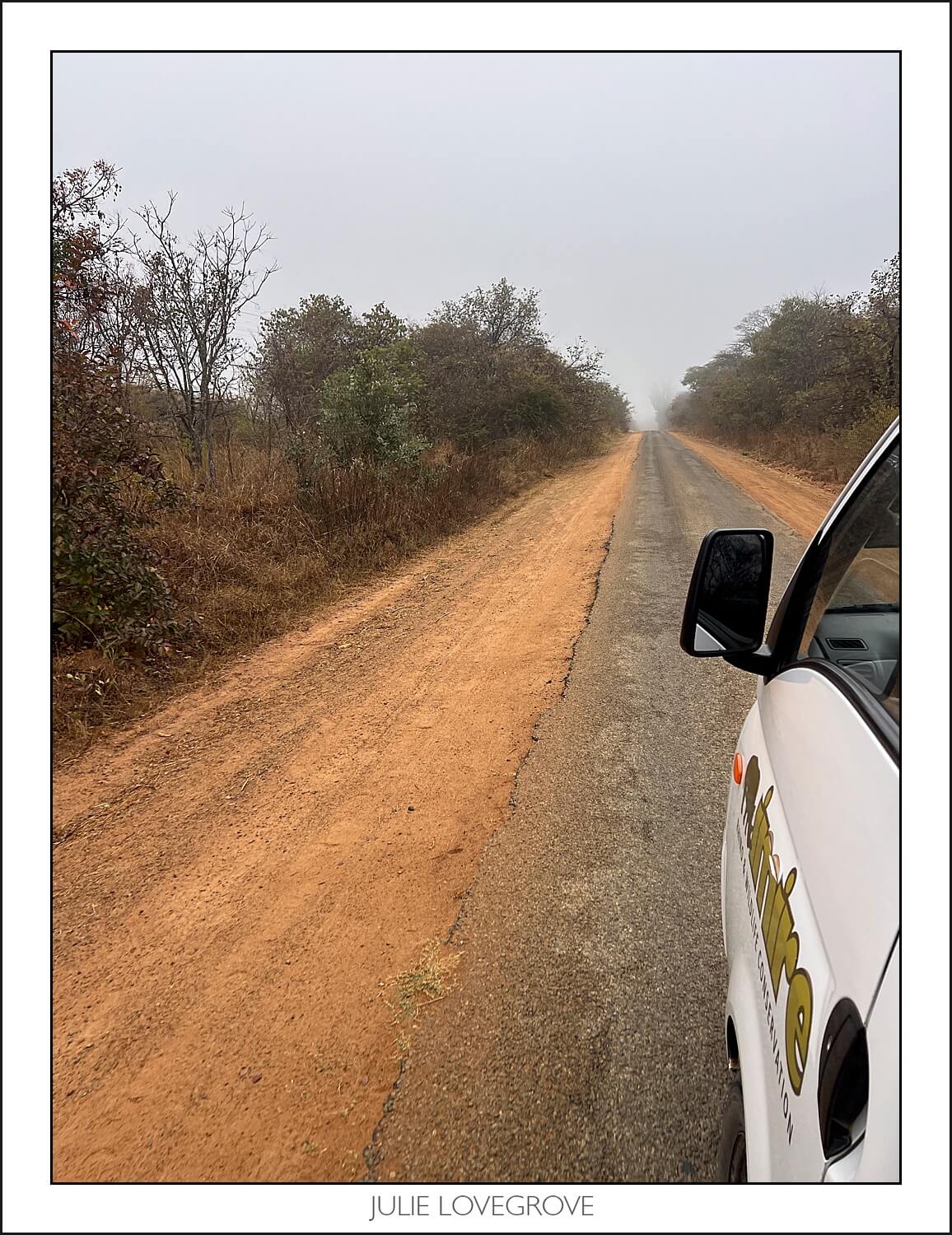
It was another great week at Imire. Parts of the drive to and from Harare airport are somewhat bumpy, with sections of the road just being a single track of tarmac in the middle of the road. Meeting somebody coming the other way is a case of ‘who is going to move over?’ !
If anyone is thinking of doing a volunteer experience in Africa, I can wholeheartedly recommend the Imire programme.